

Ahmed bin Saeed inaugurates Future Growth Nexus Summit in Dubai
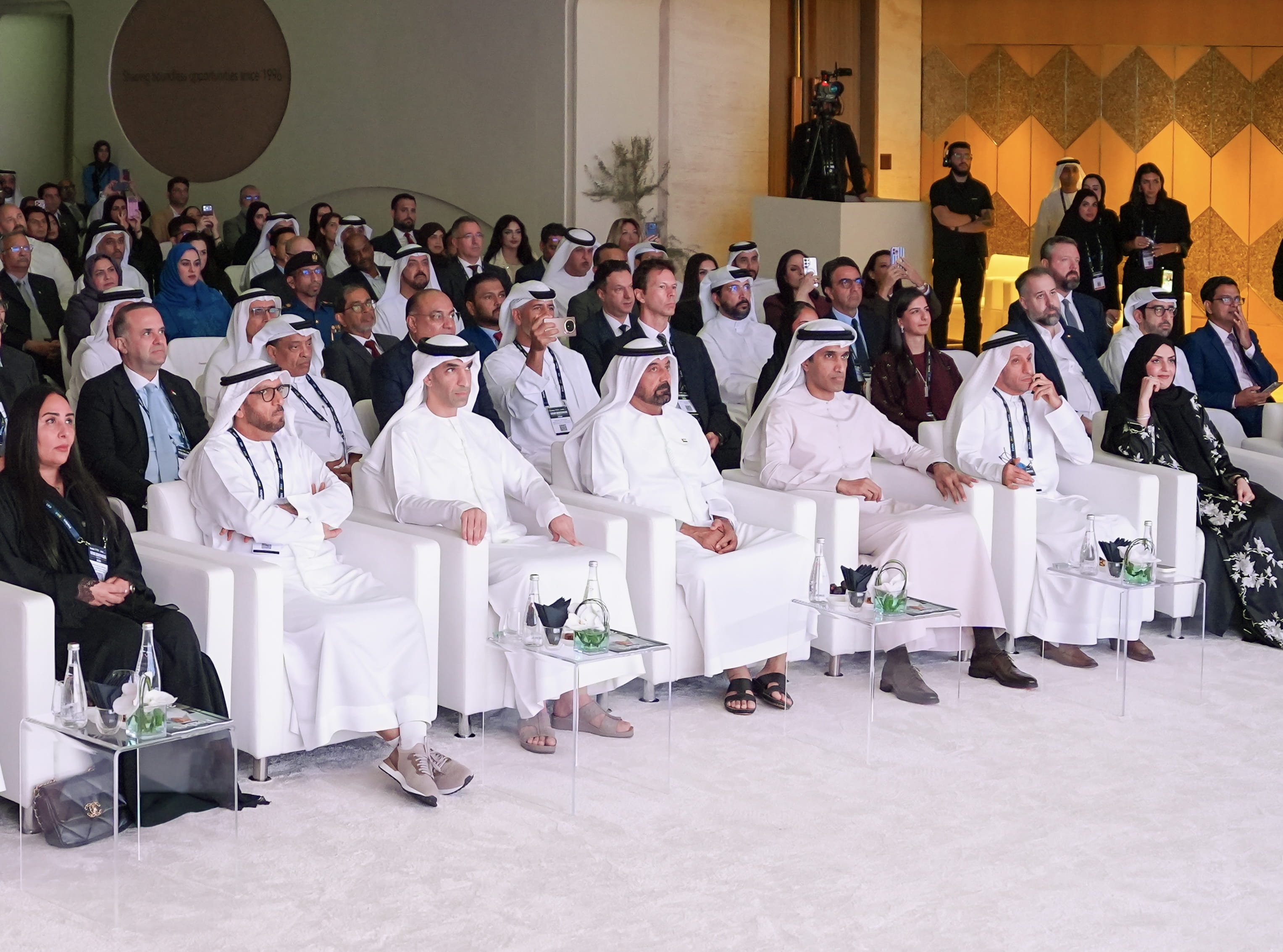
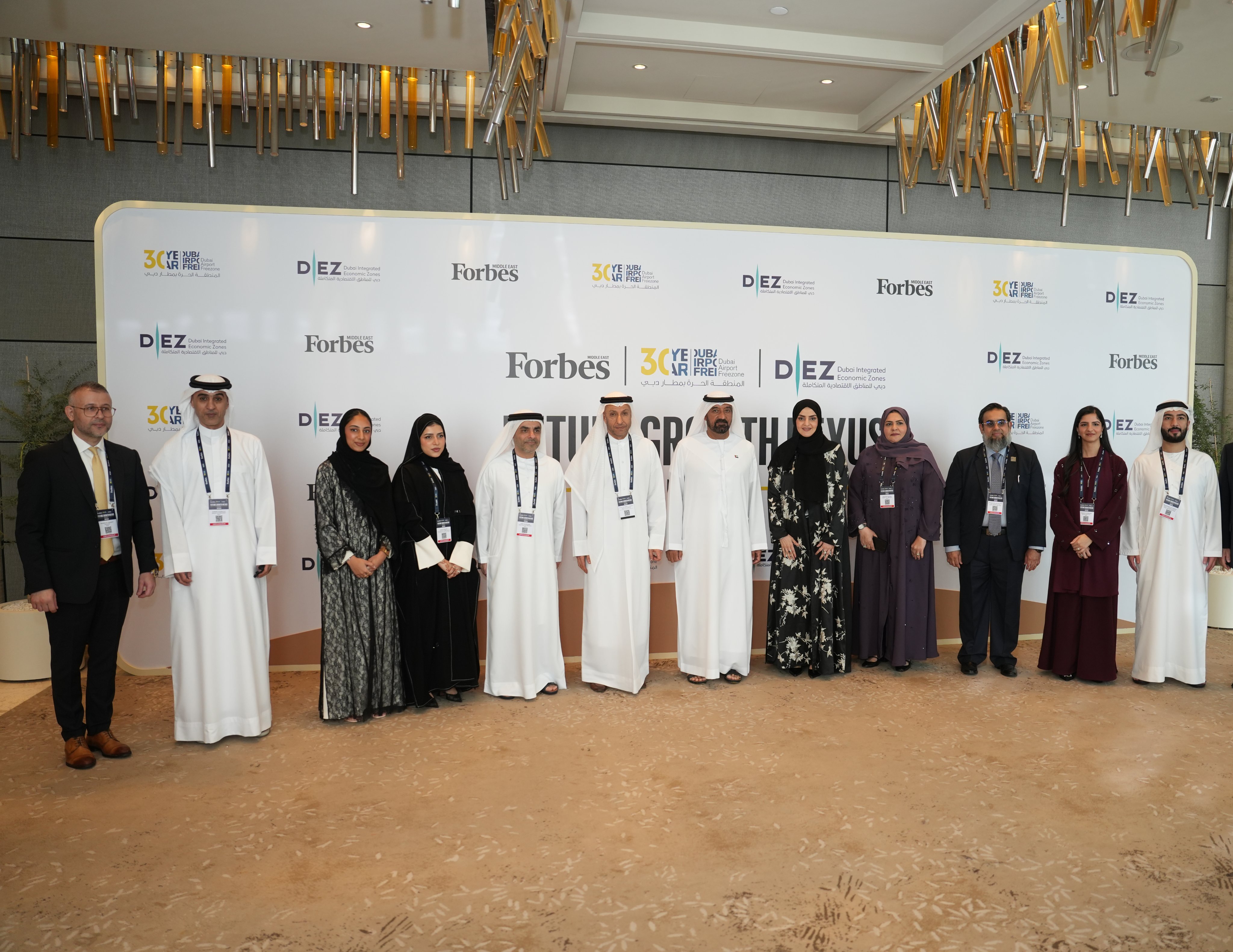
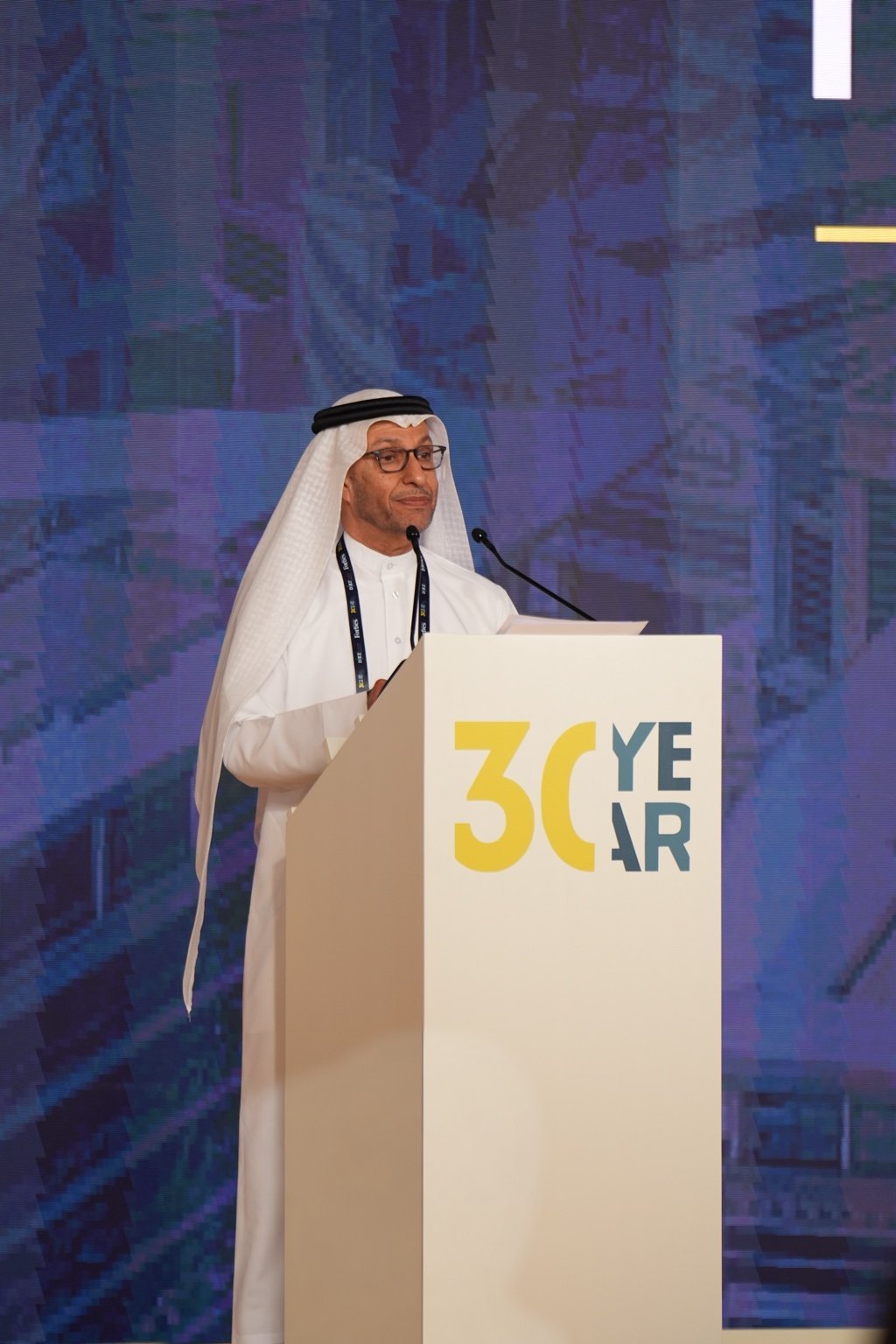
His Highness Sheikh Ahmed bin Saeed Al Maktoum, Chairman of Dubai Integrated Economic Zones Authority (DIEZ), inaugurated the Future Growth Nexus Summit, organised by Dubai Airport Freezone (DAFZ) in partnership with Forbes Middle East to mark the freezone’s 30th anniversary.
Held under His Highness’s patronage, the summit brought together more than 300 participants, including 27 speakers, along with senior government officials, global business leaders, investors and industry experts.
On this occasion, His Highness Sheikh Ahmed bin Saeed Al Maktoum, Chairman of the Dubai Integrated Economic Zones Authority (DIEZ), said, “For thirty years, Dubai Airport Freezone has embodied the vision of His Highness Sheikh Mohammed bin Rashid Al Maktoum, Vice President and Prime Minister of the UAE and Ruler of Dubai, to establish Dubai as a global hub for trade and investment. Today, it serves as a regional base for leading international companies and a key driver of Dubai’s non-oil trade growth.”
His Highness added: “Through DIEZ’s economic zones, we continue to invest in infrastructure and services that enable companies to manage their operations and trade across continents from Dubai. These efforts support the objectives of the Dubai Economic Agenda D33 and strengthen Dubai’s position among the world’s leading economic cities.”
Smart Trade Policies for Integrated Economic Zones
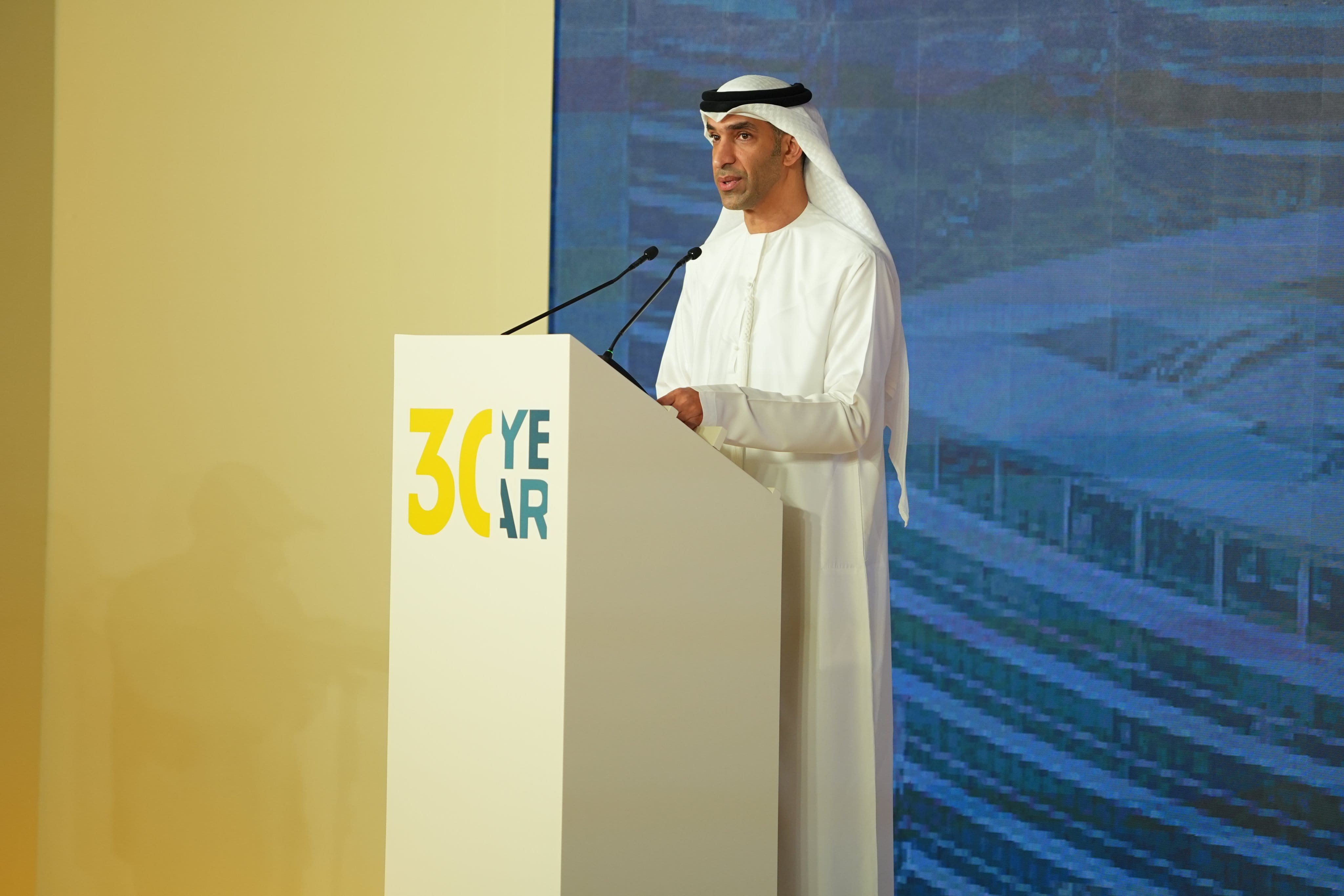
H.E. Dr. Thani bin Ahmed Al Zeyoudi, Minister of Foreign Trade, emphasised during his keynote address, titled “Smart Trade Policies for Integrated Economic Zones”, that the UAE Ministry of Foreign Trade is developing an AI-powered trade platform to help exporters and importers anticipate disruptions, and responding with agility, while identifying new opportunities for growth in international markets.
He explained that the UAE continues to expand and diversify its trade corridors, including the development of new land, sea and air routes, leveraging its advanced infrastructure and network of more than 40 Comprehensive Economic Partnership Agreements (CEPAs) to enhance access to global markets and reduce trade barriers.
Al Zeyoudi also highlighted the important role of free zones in supporting trade, investment and export development, noting that trade through the Dubai Integrated Economic Zones Authority (DIEZ) reached AED 491 billion (US$133.7 billion) in 2025, four times its 2020 level.
He also revealed that the UAE’s non-oil exports increased by 21.6% during the first nine months of 2026, reaching AED 706 billion (US$192 billion), while their share of total non-oil trade reached a record 24% compared to 21.7% during the same period last year, reflecting the growing competitiveness of UAE-made products and their expanding presence in international markets.
DAFZ trade exceeds AED479 billion
In his keynote address, titled “Three Decades of Transformation: Trade Hubs Accelerating Dubai’s Growth”, His Excellency Dr Mohammed Al Zarooni, Executive Chairman of DIEZ, highlighted DAFZa’s role in strengthening Dubai’s position as a global hub for trade, logistics and investment.
Al Zarooni said: “The scale of this contribution is reflected in our performance. In 2025, DAFZ’s trade exceeded AED 479 billion, representing 15.4 per cent of Dubai’s non-oil trade. This achievement reflects three decades of sustained investment, and our ability to adapt to changing global markets.”
He added: “As global supply chains evolve, technology transforms business models, and sustainability shapes investment decisions, economic zones must continue to evolve.” He noted that through Dubai Airport Freezone, Dubai Silicon Oasis and Dubai CommerCity, DIEZ brings together diverse strengths in international trade, technology and digital commerce, creating an integrated environment where businesses can establish, innovate and grow.
Al Zarooni emphasised that the Authority’s ambition is to build on DAFZ’s legacy and strengthen DIEZ’s role as an integrated platform for trade, investment and innovation, helping Dubai attract new investment, develop new industries and create lasting economic opportunities in support of the Dubai Economic Agenda D33.
Growth, Innovation and Global Competitiveness
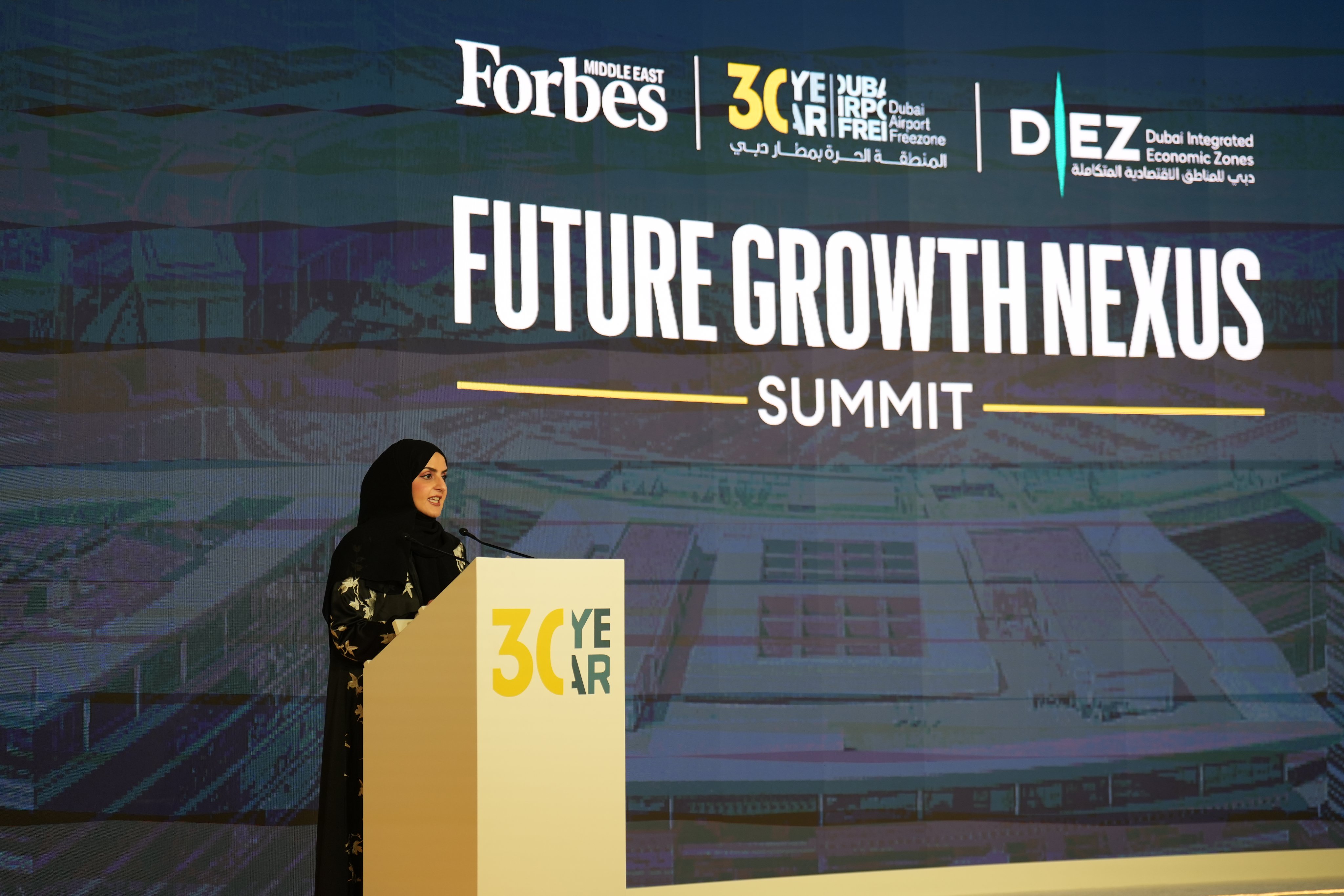
Amna Rashid Lootah, Director General of Dubai Airport Freezone (DAFZ), outlined the freezone’s future priorities and vision for strengthening its role in global trade during her keynote address titled “Building the Next Chapter of Global Trade: DAFZ’s Vision Beyond 30 Years.”
Lootah said: “Today, our business community brings together more than 3,300 companies, including over 600 multinational corporations.” She highlighted that the trust DAFZ has built through personal relationships, responsive service and a commitment to delivering on its promises remains the foundation of its journey three decades after its establishment.
She added: “As we look beyond our first 30 years, our priority is to ensure that DAFZ continues to evolve alongside these changes, remaining close to our partners, understanding their changing needs and providing an environment where they can grow, innovate and compete globally.”
Lootah emphasised that DAFZ’s vision for the next era is built on strengthening partnerships, delivering responsive services and creating long-term value for its business community. She also highlighted the summit’s role in facilitating knowledge exchange and exploring opportunities for collaboration that will help shape the future of global trade.
Three decades of growth and partnerships
Khuloud Al Omian, CEO and Editor-in-Chief of Forbes Middle East, reviewed DAFZ’s journey since its establishment in 1996 and its role in supporting the growth of global companies and their expansion into new markets.
She said: “We are proud to launch this summit as we celebrate the 30th anniversary of DAFZ, which has spent three decades enabling companies to establish their businesses, build partnerships and access new markets.”
She emphasised that this journey reflects the leadership vision that has established Dubai as a global centre for trade and business. Al Omian added that the summit provides a platform for government officials, business leaders and investors to discuss the future of global trade, anticipate economic transformations and explore opportunities for growth and collaboration from Dubai.
She also announced the publication of a special edition of Forbes Middle East magazine to mark DAFZ’s 30th anniversary, highlighting the individuals and experiences behind some of Dubai’s most prominent business success stories.
“At Forbes Middle East, we tell the stories behind this progress,” she said, noting that the edition documents the contributions of companies and entrepreneurs to the emirate’s growth.
Leading Industry Speakers
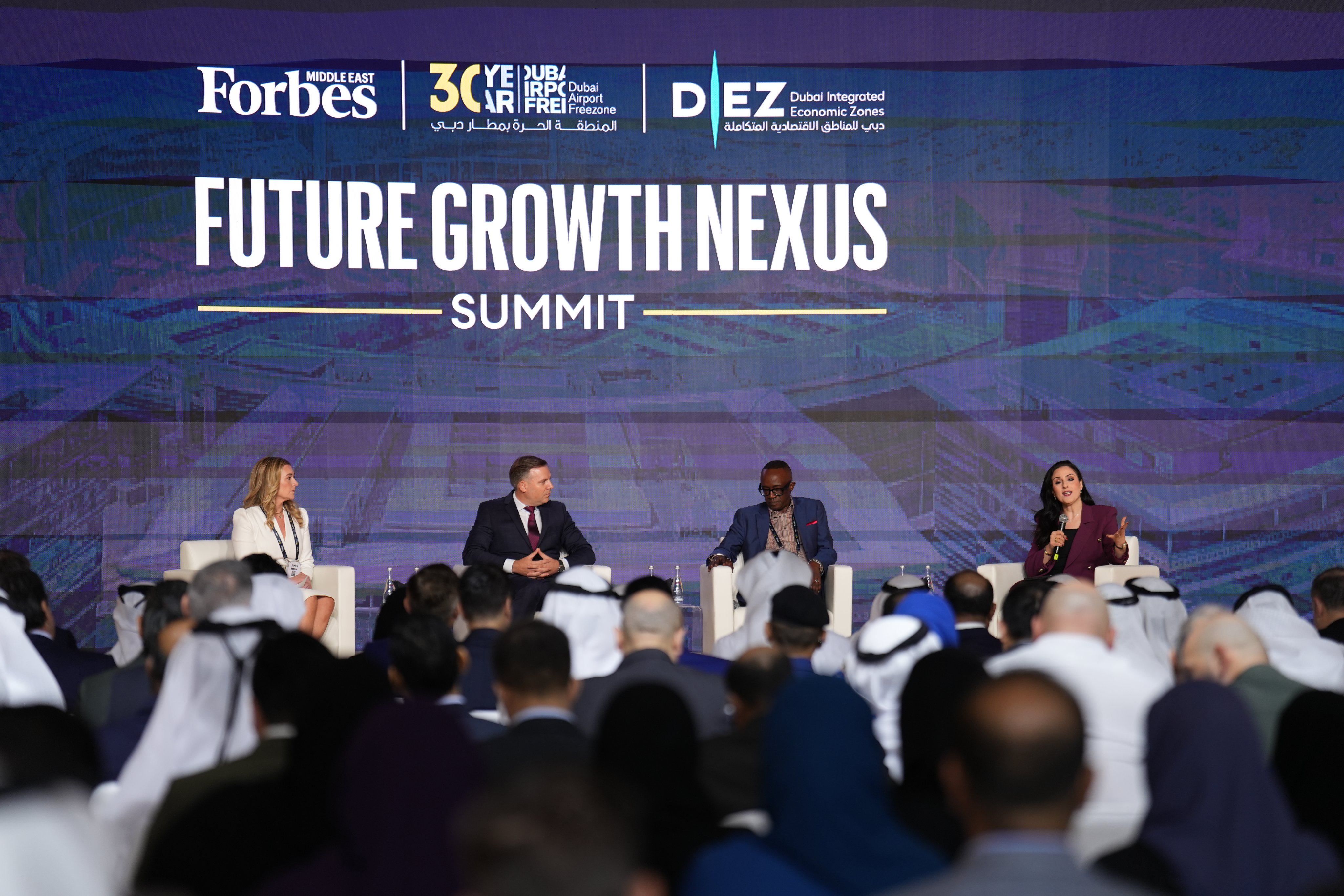
The summit’s speakers included Aziz Koleilat, President and CEO – Middle East, Türkiye & CIS, GE Aerospace; Lisa Park, Area Managing Director UAE, A.P. Moller - Maersk; Nabil Sultan Al Murr, Group CEO, dnata; and Amadou Diallo, Group CEO, Aramex.
Other speakers included Gabriel Semelas, President Africa and Middle East, Airbus; Matthew Stephenson, CEO, World Free Zones Organization; Bremer Pauw, CCO – Middle East and Africa, DHL Supply Chain; and Nitin Tatiwala, Vice President Marketing and Customer Experience Middle East, Indian Subcontinent and Africa, FedEx.
The lineup also featured Emmanuel Legros, Director of Strategy and Marketing, Thales; and Paul Keely, Chief Financial Officer, DIEZ, alongside executives from technology, investment and financial services companies.
Innovation and Investment
The summit’s agenda focused on four key themes: future-ready logistics, sustainability as a strategy for net-zero trade, the digital trade revolution, and investment and innovation driving the future of trade and logistics.
Discussions explored the development of more resilient and sustainable supply chains, the future of aviation in the Middle East, and reducing emissions across warehousing, transportation and last-mile delivery. Sessions also examined the role of digital marketplaces and business-to-business e-commerce platforms in facilitating cross-border trade.
Participants highlighted the applications of artificial intelligence, robotics and predictive analytics in optimising transport routes and improving logistics efficiency, alongside the role of investment and partnerships in developing innovative solutions and supporting sustainable growth. Discussions also addressed the impact of insurance costs, risks and price volatility on trade flows and investment decisions.
The summit further explored ways to enable small and medium-sized enterprises (SMEs) and startups to expand within integrated economic zones through specialised infrastructure, improved access to financing, startup support programmes and strategic partnerships.
Three Decades of Growth
The summit featured a special video presentation celebrating the 30th anniversary of Dubai Airport Freezone (DAFZ), highlighting key milestones and achievements over the past three decades and its role in supporting international trade and connecting businesses with global markets.
The summit also highlighted DAFZ’s efforts, as part of the Dubai Integrated Economic Zones Authority (DIEZ) ecosystem, to develop an integrated business environment that attracts international companies and investment while supporting their expansion into regional and global markets.
These efforts align with the Dubai Economic Agenda D33, which aims to double the size of Dubai’s economy by 2033 and position the emirate among the world’s top three economic cities.
More on these topics
Most Recent News

Mohammed bin Rashid visits the Big 5 Global exhibition in Dubai

Mansoor bin Mohammed opens the Big 5 Global 2026 exhibition in Dubai



 For an optimal experience please