

Under the theme ‘Smart Audit’, 3rd edition of Foreseeing Government Audit Future Conference opens in Dubai
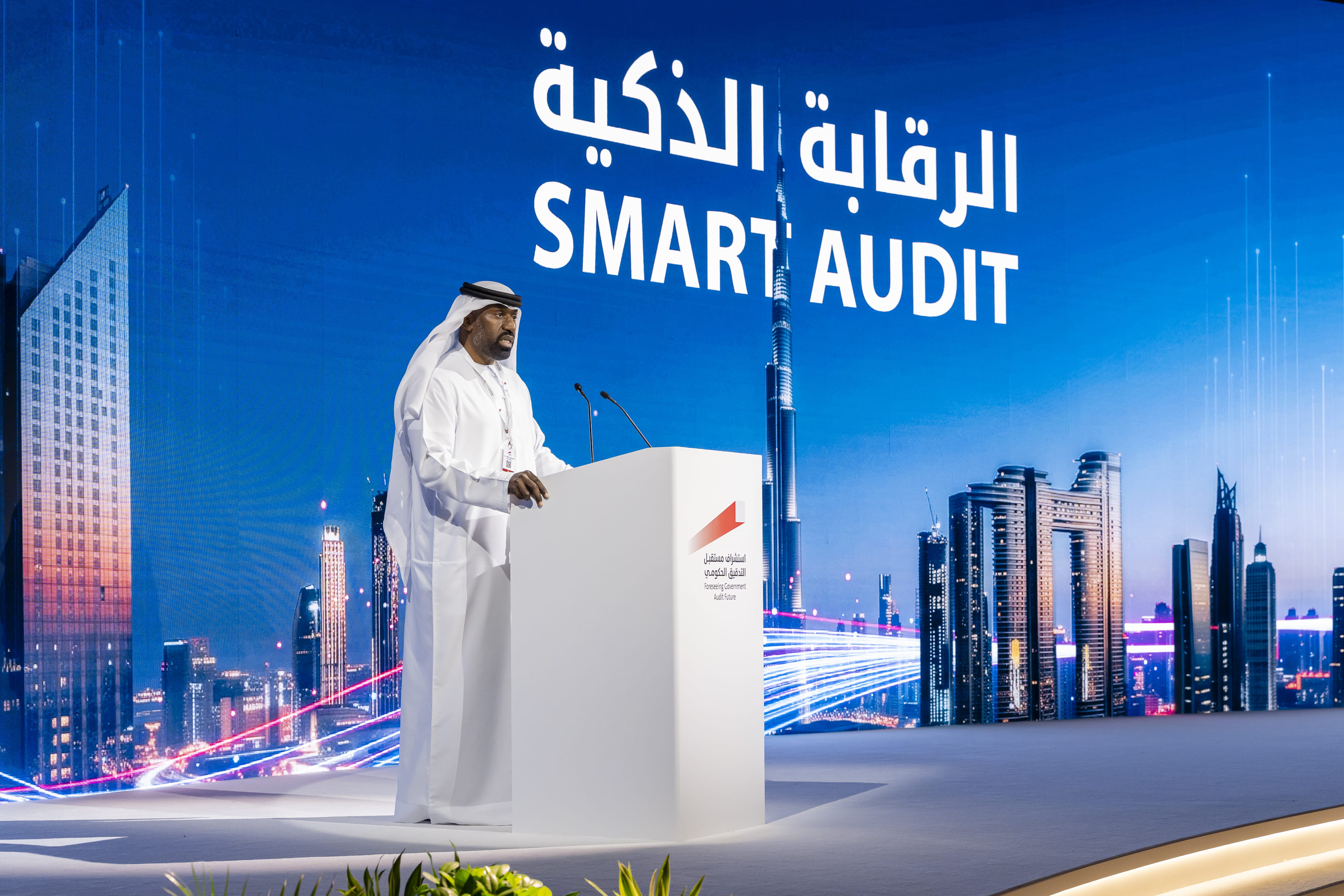
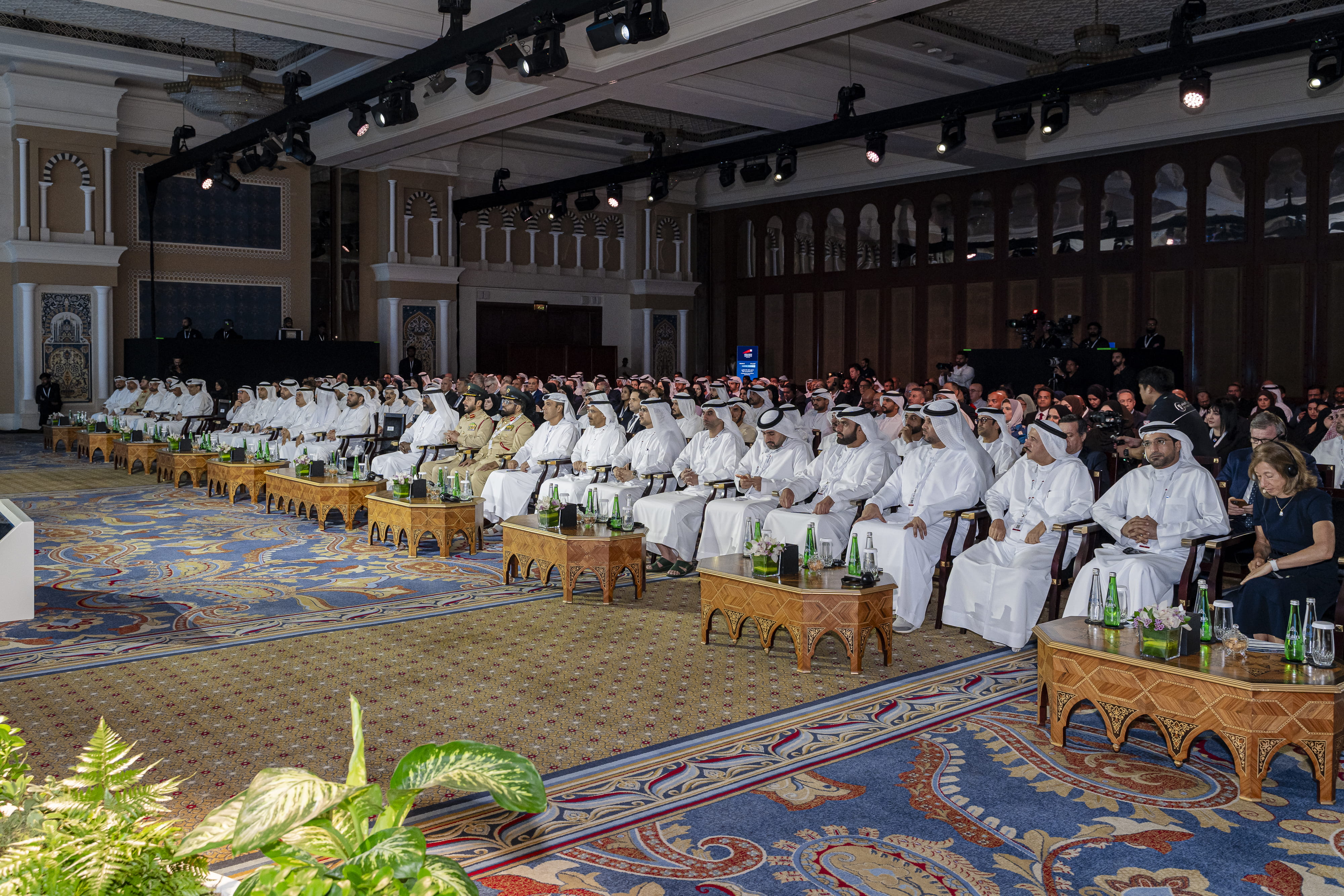
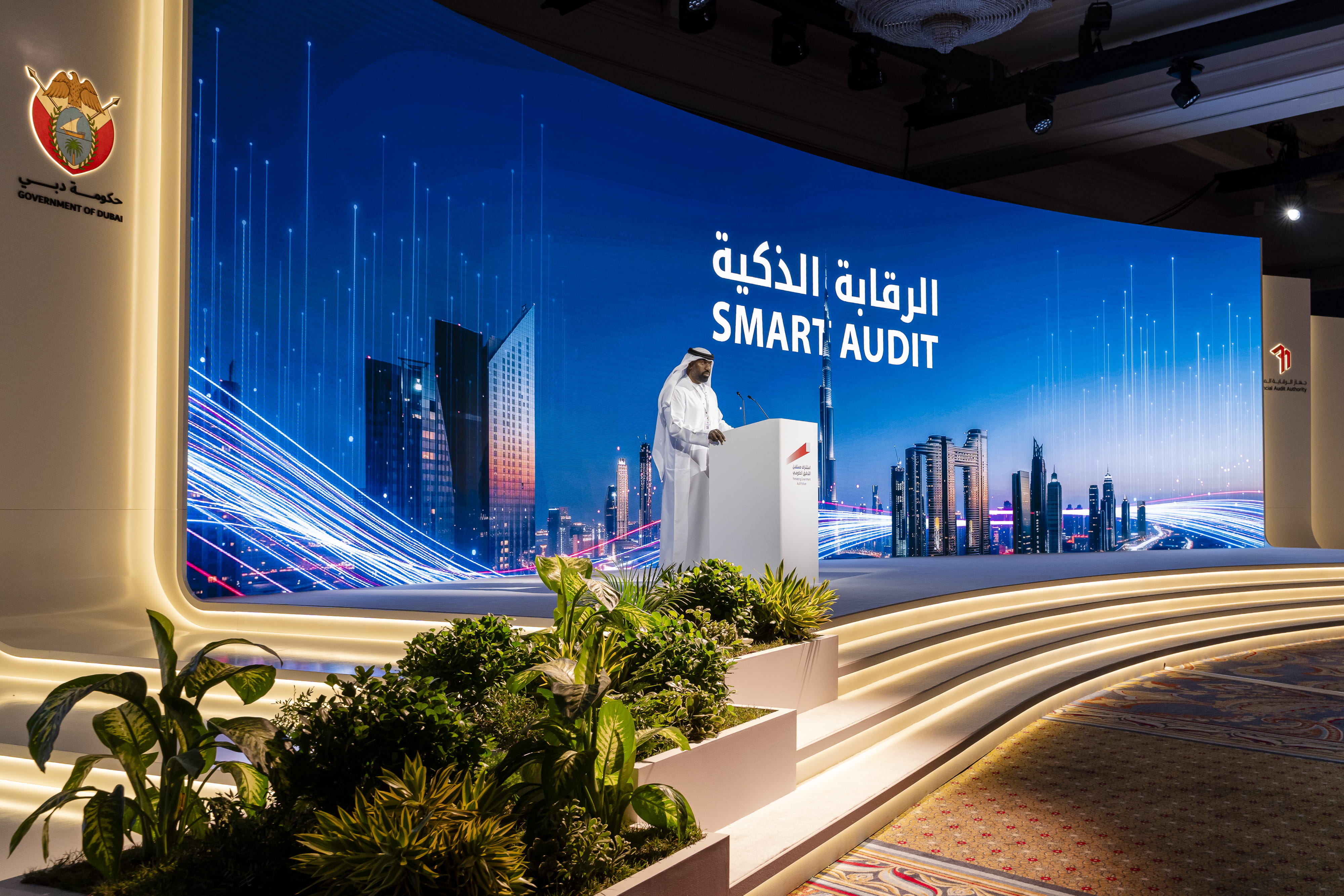
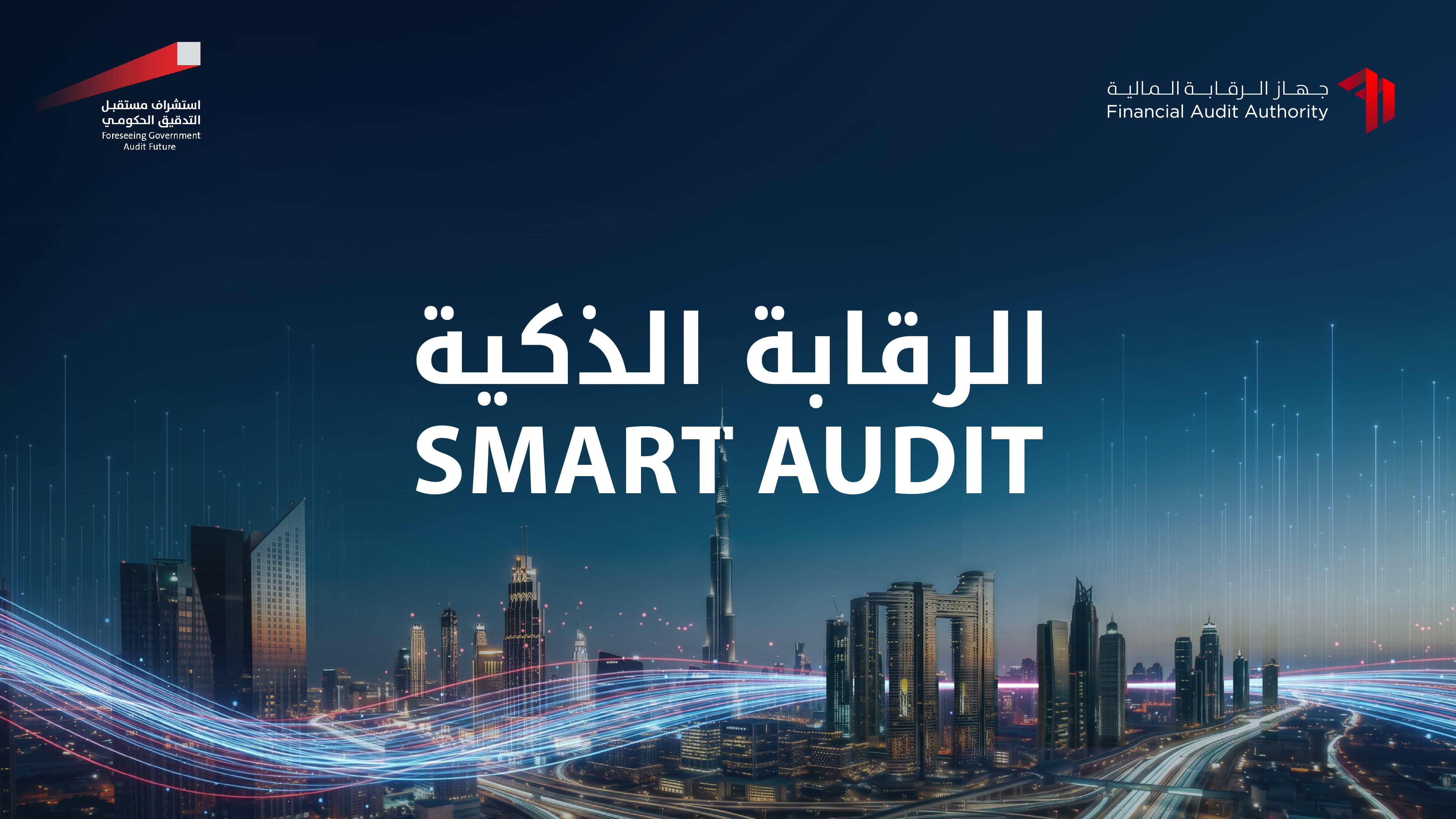
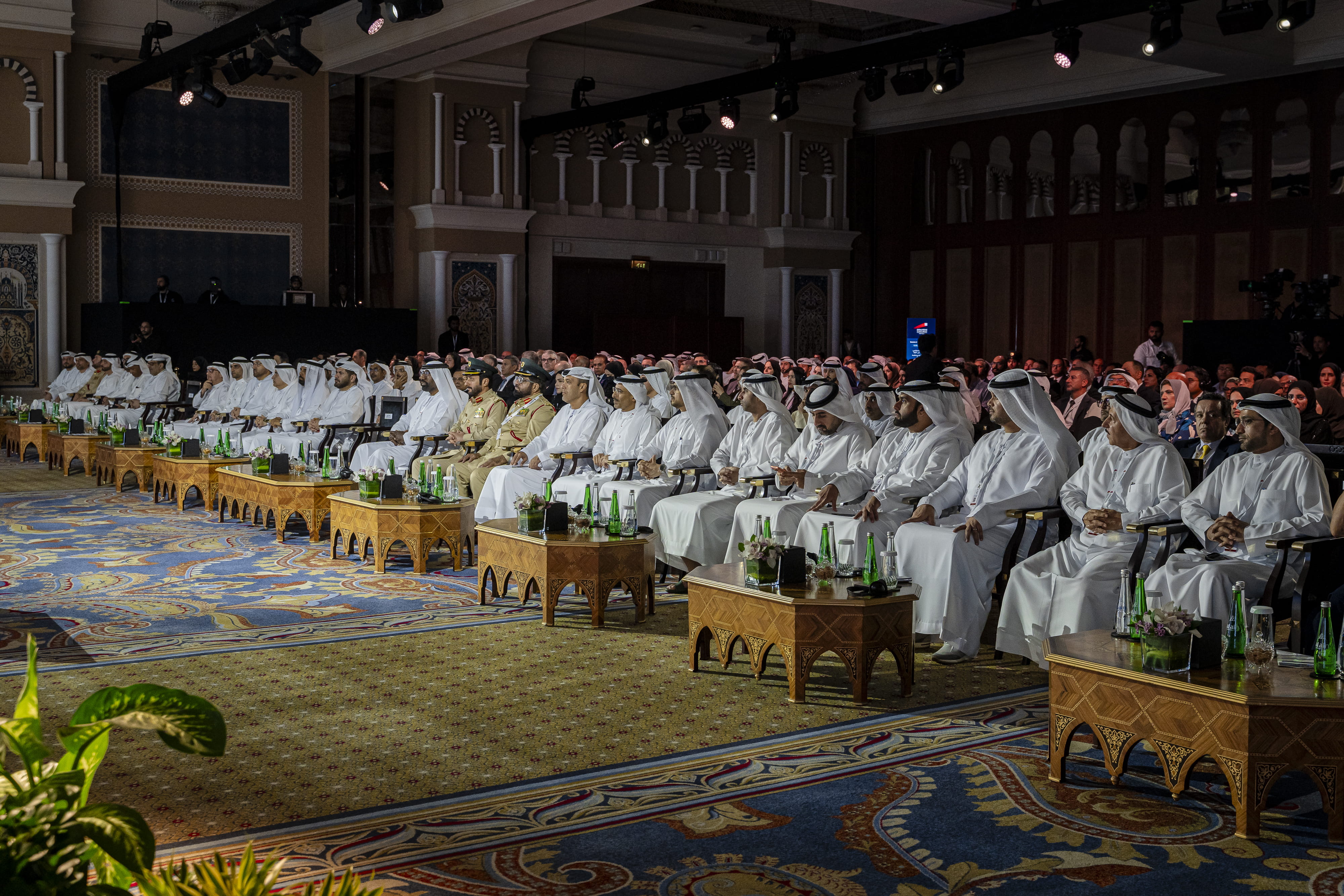
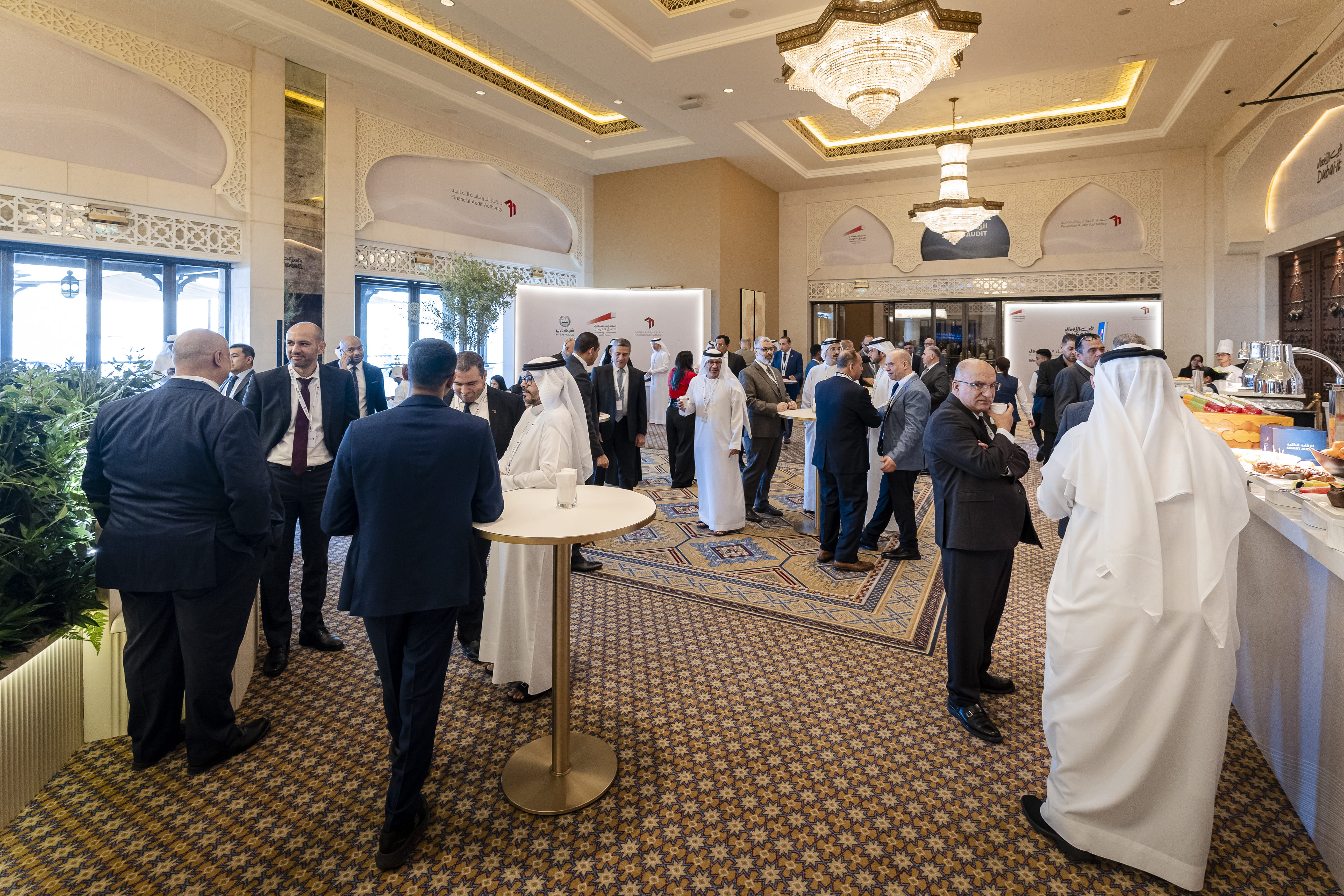
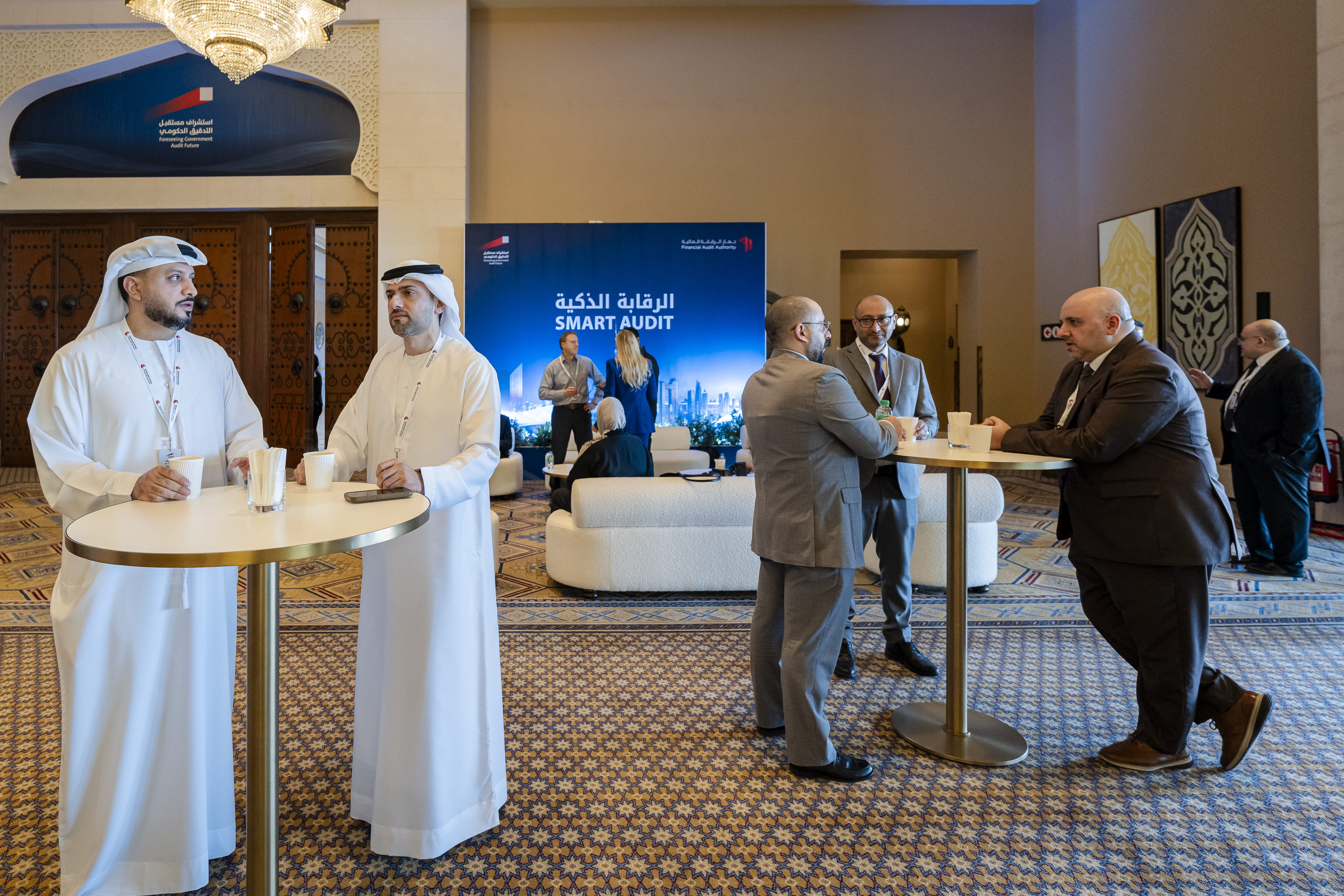
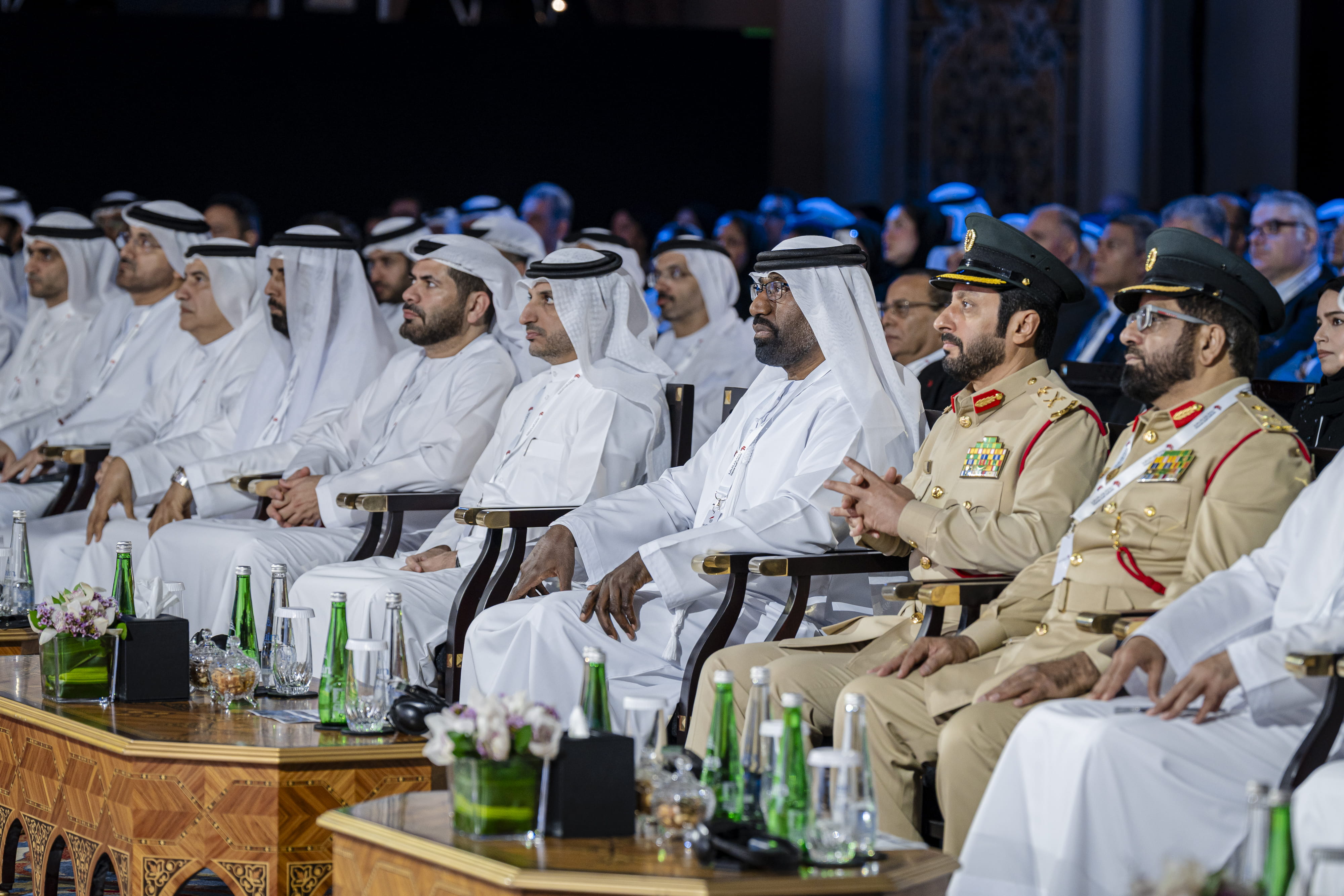
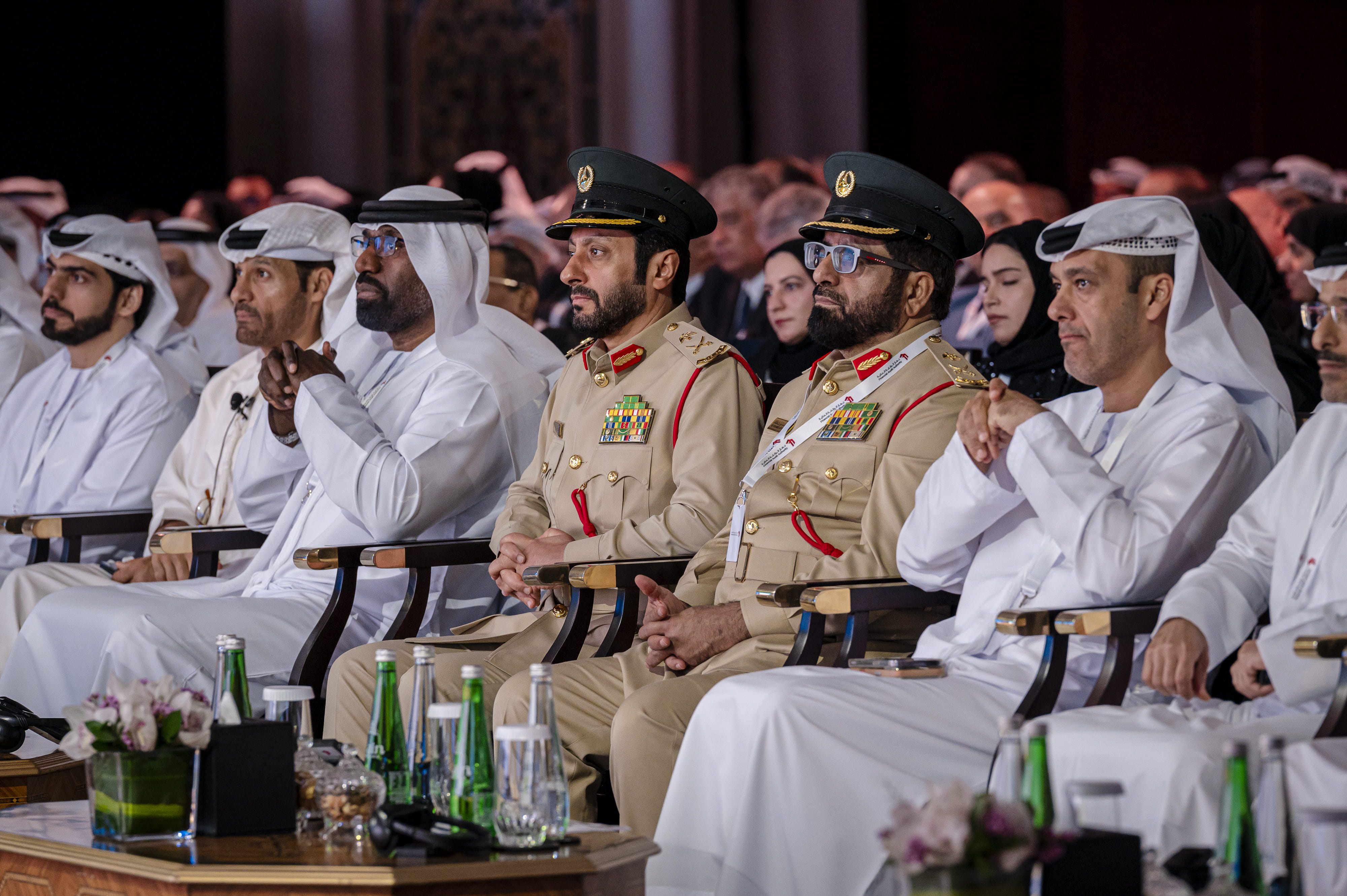
The third edition of the Foreseeing Government Audit Future Conference, organised by the Financial Audit Authority under the theme ‘Smart Audit,’ opened today in Dubai.
The conference brings together senior officials, experts and specialists in auditing, oversight, governance, cybersecurity and artificial intelligence to examine the changes shaping the future of government auditing and explore emerging trends and applications that can strengthen the effectiveness of government audit practices and their readiness for future challenges.
The conference, held at the Joharah Ballroom, Madinat Jumeirah, Dubai, highlights a new phase in the evolution of auditing and oversight, as audit responsibilities increasingly extend to assessing risks associated with emerging technologies, examining the governance of AI systems and evaluating the reliability of data and digital decision-making. At the same time, advanced technologies are creating opportunities to improve audit efficiency and strengthen the identification and analysis of risks.
Through its specialised sessions, the conference brings together practical insights and experiences that connect technological innovation with the requirements of governance and accountability, while examining the skills and tools auditors need to keep pace with rapid changes across government operations.
In his opening address, His Excellency Abdulrahman Al Hareb, Director General of the Financial Audit Authority, emphasised that the rapid transformation of government operations calls for an audit and oversight framework capable of keeping pace with innovation, strengthening the efficient management of resources, and safeguarding public funds. He highlighted the importance of leveraging advanced technologies and artificial intelligence to develop audit practices while upholding the principles of governance, independence and accountability.
HE Al Hareb said: “As Dubai advances its adoption of emerging technologies and expands its digital services, the need for oversight that keeps pace with this progress becomes increasingly important. Oversight must support faster delivery without compromising discipline, encourage innovation without overlooking risk management, and strengthen trust through transparency and accountability. In a city as ambitious as Dubai, where projects are advancing rapidly and operating models and partnerships continue to evolve, reviewing the proper use of funds alone is no longer sufficient. We must also understand the relationship between resources, objectives and outcomes, assess how efficiently resources are used and evaluate the risks that could affect the achievement of government priorities.”
He added: “The responsible use of artificial intelligence requires clear governance, testable controls, data protection, and effective human oversight that goes beyond accepting results to questioning and interpreting them. We must remember that technology, regardless of its capabilities, cannot replace integrity, independent professional judgement or the responsibility of individuals and institutions. Our objective is not for AI to replace auditors, but to equip them with greater capabilities to identify risks, analyse information, and exercise sound professional judgement at the right time.”
Auditing in the age of AI
The conference's main programme featured a keynote address by His Excellency Dr. Mohamed Hamad Al-Kuwaiti, Head of Cyber Security for the UAE Government and Chairman of the ITU-T Study Group 17 Arab Regional Group (the International Telecommunication Union's expert group responsible for developing global standards), who delivered a session titled ‘Financial Cybersecurity Oversight in the Age of Artificial Intelligence.’ The discussion centred on the UAE's experience in building a national cybersecurity system amid the shifts that artificial intelligence is bringing, from evolving threats to the technologies reshaping the landscape. The session focused on financial cybersecurity oversight as the primary line of defence that preserves trust in the financial system, and on how artificial intelligence is changing its methods and tools, giving regulators greater scope for early detection while at the same time introducing new risks that call for clearer governance. The session emphasised that protecting the financial system in the current era can’t be achieved by tools alone, but through collective readiness, where entities work together to avert risks and cyber resilience becomes a daily practice.
Dominique Vincenti, Board Member and Audit Committee Chair at Loft Orbital, delivered a keynote address titled ‘IA in the Age of AI,’ examining the use of Artificial Intelligence by Internal Auditors in everyday work settings. Presenting actual use cases and highlighting the technology’s immense promise to facilitate more efficient and qualitative audits, she also reminded audit professionals that they need to apply sound judgement when using the technology as they would ultimately be expected to support its conclusions with explainable and repeatable evidence.
Emerging technology governance
The conference featured nine specialised breakout sessions addressing key issues shaping the future of auditing and oversight.
In a session titled ‘Risks and Governance of Emerging Technologies,’ Sultan Alowais, Deputy CEO of OMA Emirates, underscored the importance of developing institutional frameworks for AI governance, managing risks associated with its applications, and strengthening transparency and accountability in digital environments.
Mark Thomas, President of Escoute Consulting and an ISACA Hall of Fame Inductee, discussed the role of AI in advancing internal audit methodologies during his session, ‘AI and the Future of Assurance: Modernizing Internal Audit for a Digital Government Era.’ The session examined the shift towards more continuous, data-driven audit practices while maintaining auditor independence and professional judgement.
During a session titled ‘Auditing AI: From Risk to Confidence,’ Ramsés Gallego, Chief Technologist – Cybersecurity at DXC Technology, addressed the importance of establishing audit and governance frameworks that support the responsible and trustworthy use of AI systems, including challenges related to bias, transparency, fairness and data governance.
Innovation and modern audit applications
The conference agenda also explored regulatory and professional developments affecting business environments and audit practices.
Ridha Hamzaoui, Senior Tax Policy Expert at the Federal Tax Authority, delivered a session titled ‘UAE Tax Laws and Their Impact on Private Companies,’ examining key requirements of the UAE tax framework, their practical application and implications for companies.
Addressing the development of professional practices, Abdulqader Obaid Ali, Advisor to the UAE IAA Board of Directors, presented a session on ‘Strategic Planning and Innovation within Internal Audit,’ highlighting the importance of strengthening internal audit's strategic role and leveraging data and technology to support governance and decision making.
During a session on ‘AI in Internal Audit: Use Cases,’ Osama Abbas, Chief Internal Audit Officer at Mal, presented practical applications of AI across different stages of the audit process, including planning, control testing, risk analysis and reviewing findings. The session also examined governance requirements, human oversight and the responsible use of these technologies.
From standards to institutional applications
The conference also examined emerging directions in public sector auditing through a session titled ‘The New Era of Internal Auditing in the Public Sector,’ presented by Michael J. Fucilli, Adjunct Professor at Pace University. The session explored the role of AI and data analytics in improving audit effectiveness while considering transparency, privacy, cybersecurity and professional judgement.
As part of the discussions on strengthening institutional governance of advanced technologies, Dr. Sid Ahmed Benraouane, US ISO Delegate for the ISO 42001 AI Management System and AI Certified Lead Auditor, delivered a practical workshop titled ‘Getting Ready for ISO 42001: A Hands-On Readiness Workshop for Auditors & Compliance Officers.’ The workshop covered AI governance requirements, risk management, accountability and practical steps to help auditors and compliance officers prepare for the standard's implementation.
The conference also dedicated a session to the Financial Audit Authority's experience in developing its data science capabilities. Titled ‘FAA Data Science Journey,’ the session was presented by Oussama Aksaim and Sadeh Abu Sadeh from the FAA Data Science Team. It examined the evolution of data and analytics within audit processes, the development of audit team capabilities and the use of advanced analytics and AI to identify areas of risk and support professional decision making.
The breadth of topics addressed at the conference reflects the significant changes taking place across government auditing and the growing need to bring together audit, technical and regulatory expertise. Such collaboration is essential to keeping pace with innovation while maintaining standards of governance, independence and accountability. The discussions also highlighted the importance of moving beyond the potential of emerging technologies to their practical application, supported by the institutional and professional capabilities needed to use them responsibly and effectively.
The conference's main programme followed a preparatory day dedicated to professional discussions on financial closing and the preparation of financial statements, the quality of external audit work, and stronger cooperation and coordination in financial oversight. Together, these discussions reinforce the conference's role as a platform for knowledge exchange and the development of professional practices at both local and international levels.
More on these topics
Most Recent News

Maktoum bin Mohammed meets with CEO of Standard Chartered Group
TECOM Group continues to deliver sustainable growth with revenues exceeding AED 2.3 billion and a 10% increase in recurring net profit in the first nine months of 2026



 For an optimal experience please