

Dubai Customs records 99.3% cashless payment rate in H1 2026, with a digital channel adoption rate of 99.6%
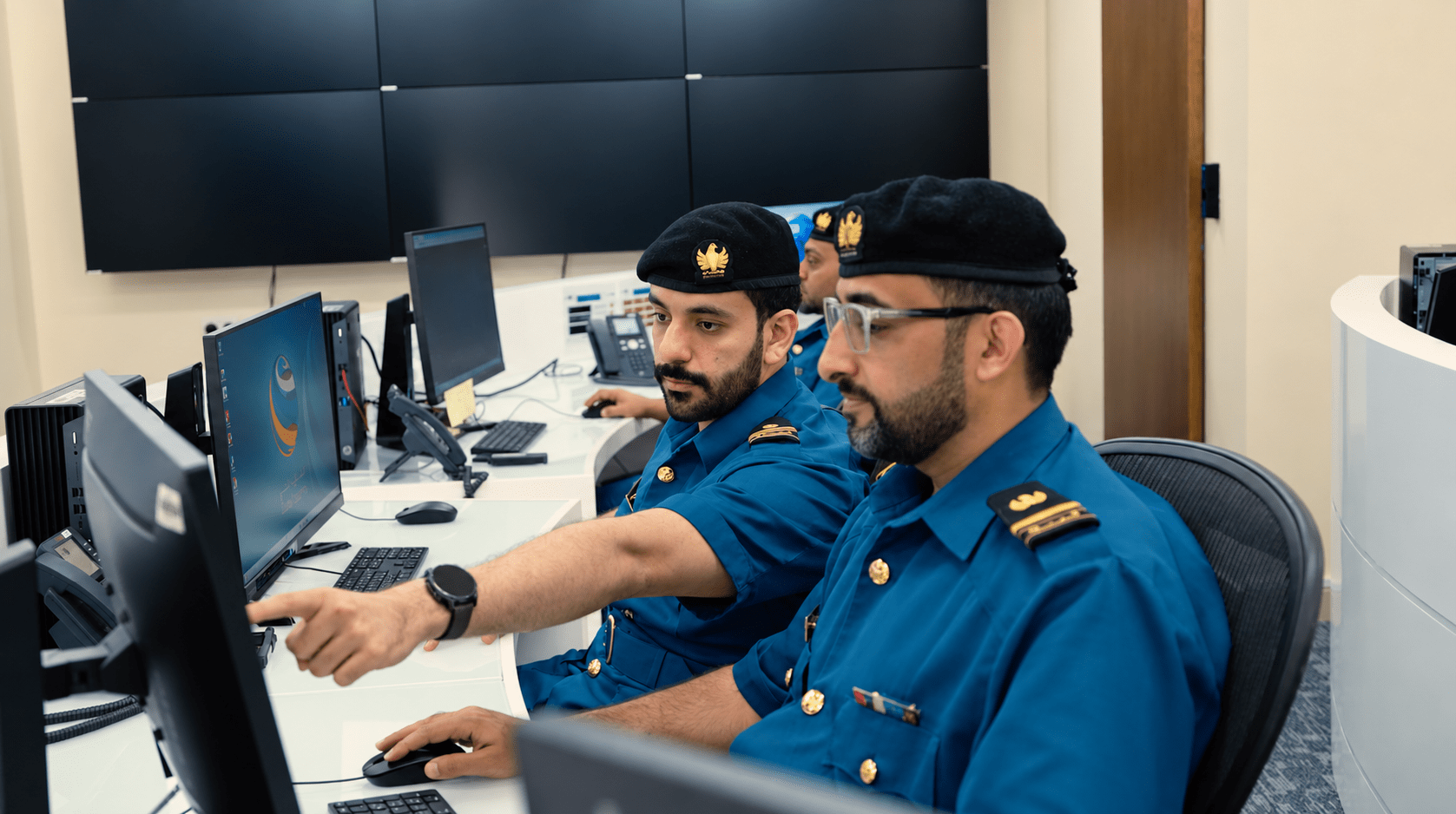
In support of the ‘Dubai Cashless’ strategy, and complementing its efforts to enhance the integration of customs services and digital payments in a way that helps simplify procedures, improve the customer experience, and raise the efficiency of doing business, Dubai Customs announced that its cashless payment transaction rate reached 99.3% of total payment transactions in the first half of 2026, compared with 99.4% in 2025 and 99.2% in 2024.
These results reflect the development of the organisation’s digital infrastructure, the efficiency of its electronic payment systems, and its commitment to providing a smooth and secure experience for customers, which enhances ease of doing business, supports building a more efficient, innovative and sustainable economy, and reinforces Dubai’s position as a leading global model in the transition to an integrated cashless society.
This comes following the announcement by the Dubai Department of Finance, on October 9, that the key targets of the Dubai Cashless strategy have been achieved. The strategy was launched in October 2024 by His Highness Sheikh Hamdan bin Mohammed bin Rashid Al Maktoum, Crown Prince of Dubai, Deputy Prime Minister and Minister of Defence of the UAE, and Chairman of The Executive Council of Dubai. The emirate-wide cashless transactions index reached 90.1%, exceeding the target set for 2026, while the digital enablement index in the government sector reached 100%. The Department of Finance underscored Dubai Customs’ contribution to supporting the strategy’s goals, commending its performance in digital transformation and in promoting greater reliance on cashless transactions.
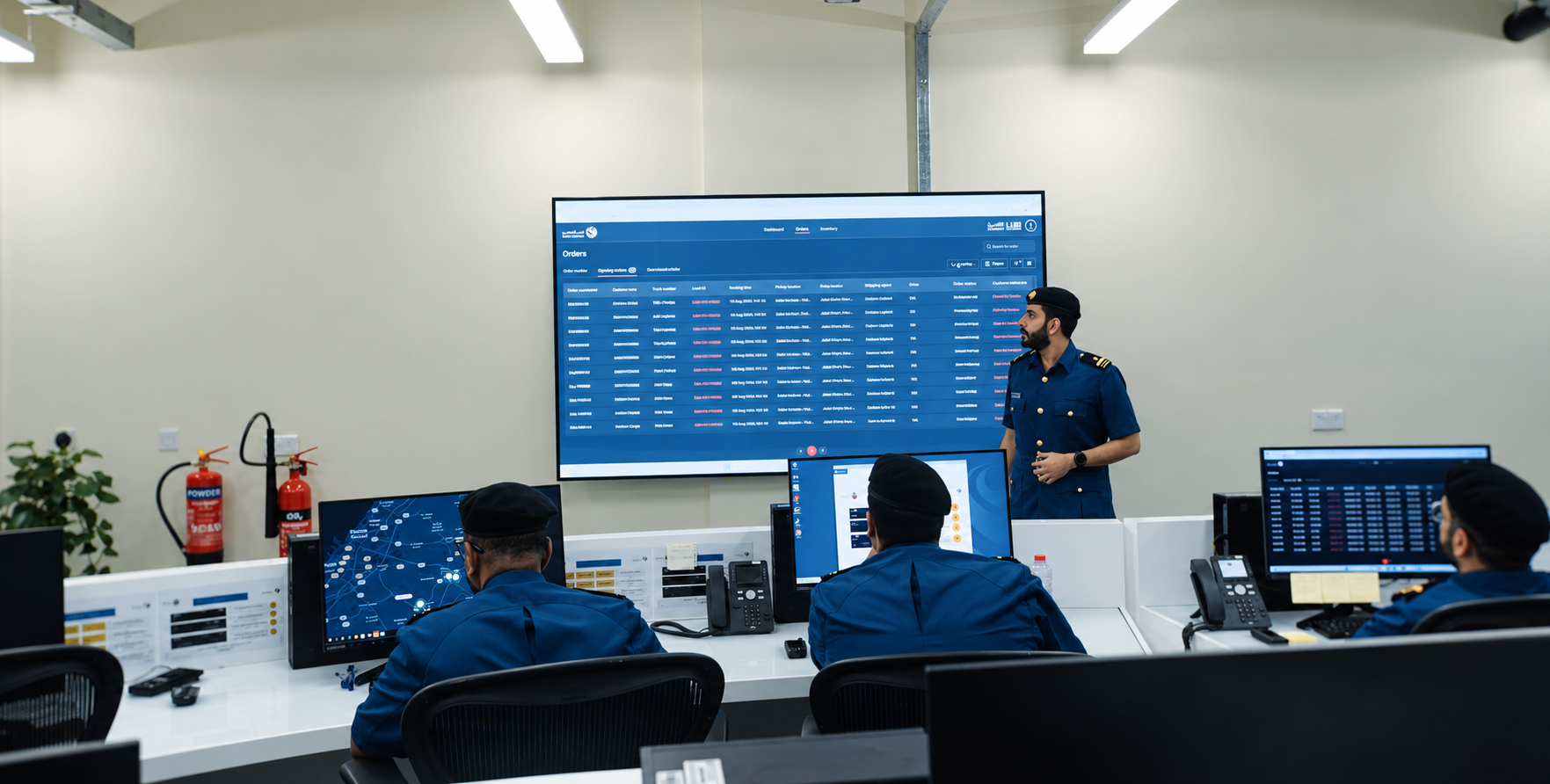
On the operational front, Dubai Customs completed 23 million customs transactions during the first half of this year, with the digital channel adoption rate reaching 99.6%, while the happiness index for the digital services it provides rose to 98% during the first half of 2026. It should be noted that the number of customs transactions cited reflects the volume of customs operations completed and is not linked to the number of cashless payment transactions.
Integrated services
His Excellency Dr. Abdulla Busenad, Director General of Dubai Customs, affirmed that the integration of government services and digital payments embodies the vision of His Highness Sheikh Mohammed bin Rashid Al Maktoum, Vice President and Prime Minister of the UAE and Ruler of Dubai, and the directives of His Highness Sheikh Hamdan bin Mohammed bin Rashid Al Maktoum, on harnessing technology to build a more productive and resilient economy and enhance Dubai’s competitiveness.
“We are turning the efficiency of customs services into a competitive advantage that supports business growth and investor confidence in Dubai,” His Excellency said. “The economic value of digital transformation lies in the time we save for the customer, the procedures we shorten, and the reliability we add to the movement of trade. We are working to make customs service, payment procedures and control parts of a single, interconnected journey that supports the smooth flow of trade while safeguarding customers’ rights, public revenues and community security.”
His Excellency explained that this approach is in line with the Dubai Customs Strategy 2026-2030, which is built on enabling trusted trade, and supports the goals of the Dubai Economic Agenda, D33, by improving the customer experience and strengthening companies’ ability to grow and reach global markets.
For his part, Rashid Al Sharid, Executive Director of the Finance and Administration Division at Dubai Customs, said: “Integrating customs procedures with digital collection enhances revenue management efficiency and facilitates doing business. We are working to link ease of payment with accuracy of financial processing and clarity of procedures, giving customers a smoother experience while maintaining the efficiency of financial control and protecting revenues.”
Atiq Al Muhairi, Executive Director of the Customs Development Division at Dubai Customs, said: “We are linking system development to trade needs to deliver faster, more integrated and more reliable services, by reviewing the customer journey, reengineering procedures, improving data quality and integration, and using automation to reduce repetitive steps and raise transaction processing efficiency.”
Key pillar
The ‘Mirsal 2’ system is a key pillar in integrating customs operations, e-services, payment procedures and risk management, making it easier to complete transactions and supporting business resilience, while maintaining the efficiency of control and compliance.
Dubai Customs continues to develop its system by facilitating an interconnected journey that brings together service completion, payment and control, turning customs efficiency into a driver of business competitiveness and trade growth in Dubai.
More on these topics
Most Recent News

Hamdan bin Mohammed welcomes participants of the Annual Meeting of Global Future Leaders 2026

Hamdan bin Mohammed meets with President and CEO of the World Economic Forum




 For an optimal experience please