

Dubai Customs’ Green Corridor secures trade flows amid sea lane disruptions
- Dubai Customs’ Green Corridor initiative typifies Dubai’s response to challenges by swiftly securing trade flows amid disruption of sea lanes
Exemplifying Dubai’s remarkable readiness and agility in responding to developments impacting regional and global trade flows, Dubai Customs announced exceptional results and highlighted notable successes achieved by its ‘Green Corridor’ initiative since its activation last March in cooperation with Oman Customs. Since its launch, the initiative has helped ensure uninterrupted trade flows, bolstering supply chain resilience, and supporting business continuity, while also supporting market stability and safeguarding local food security.
Developed in close collaboration with customers and strategic partners, the initiative introduced a package of proactive customs solutions and trade facilitation measures designed to sustain the flow of goods via land routes between the UAE and Oman, thus enabling safe alternative channels for regional and international commerce.
Dubai Customs released key metrics for the Green Corridor for the period between March and April 2026, reflecting the immediate success of the initiative and the significant growth in shipment volumes and cargo value moving through alternative routes since its activation. The number of customs declarations processed through the corridor increased sharply during the period, while the total value of goods, including insurance and freight costs, rose substantially, demonstrating the effectiveness of Dubai’s rapid-response trade solutions.
Customs declarations processed through the corridor rose from 12,000 in March 2026 to nearly 100,000 in April 2026. Meanwhile, the value of goods transported rose from AED1 billion to more than AED8 billion.
These figures underscore Dubai Customs’ ability to deploy proactive and highly efficient solutions that stabilise supply chains, support business continuity, strengthen market resilience, and safeguard food security — further cementing Dubai’s position as a globally connected trade and logistics hub with exceptional operational flexibility.
Operationalised barely 72 hours after the regional disruptions started impacting key shipping routes, the Green Corridor was launched at a time when global supply chains came under intense pressure due to regional developments that directly impacted shipping and traditional trade routes, the initiative played a pivotal role in sustaining regional and international trade flows, easing operational pressures on companies and supporting market stability.
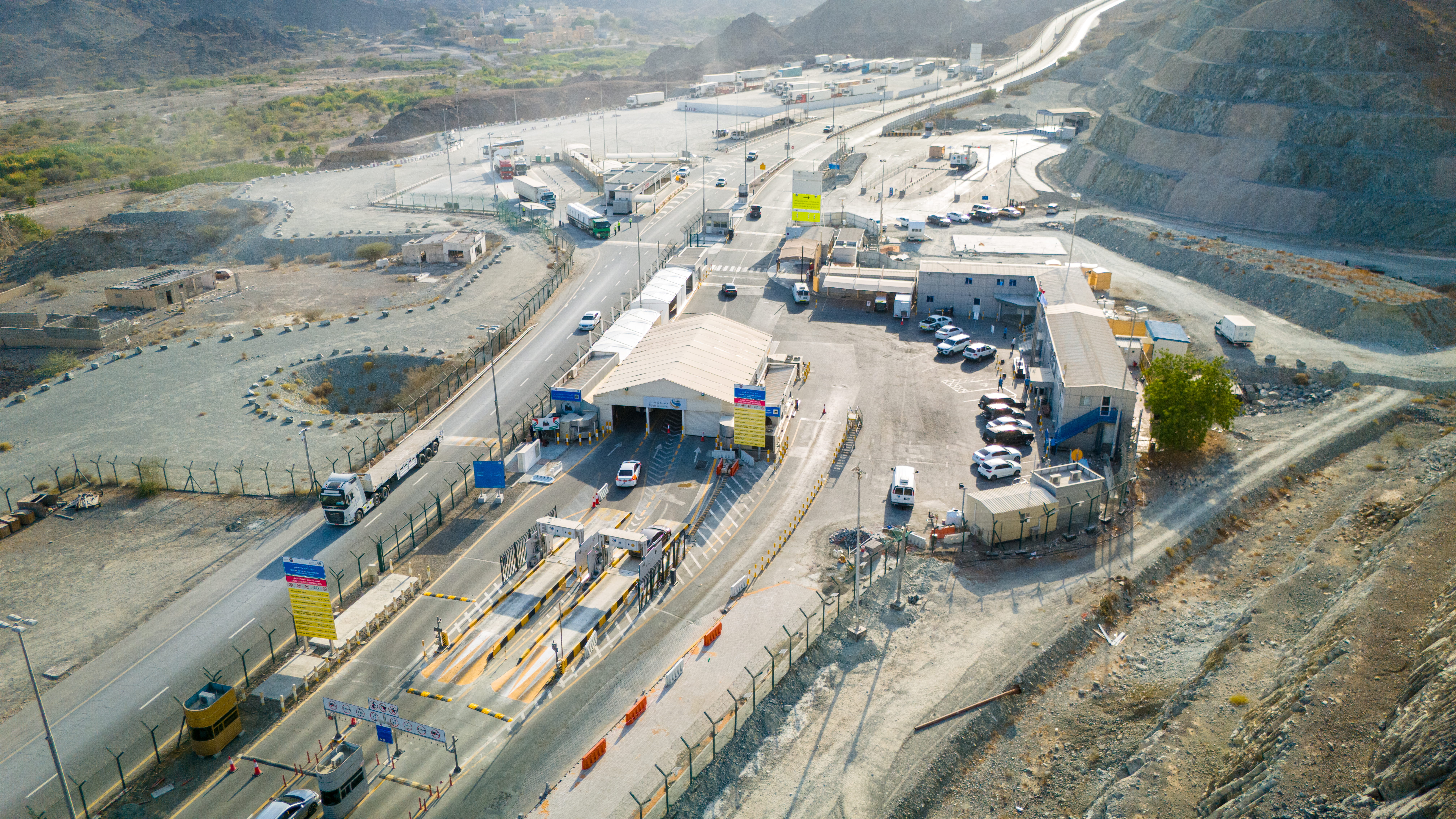
Alternative trade route through Hatta
The ‘Green Corridor’ quickly emerged as a vital trade artery, redirecting global shipments arriving through Oman and transporting them overland to Dubai via the Hatta Border Crossing under streamlined and accelerated customs procedures.
The corridor allows for expeditious clearance of containers destined for Jebel Ali Port, goods entering the local market, and re-export shipments moving from Dubai to international destinations.
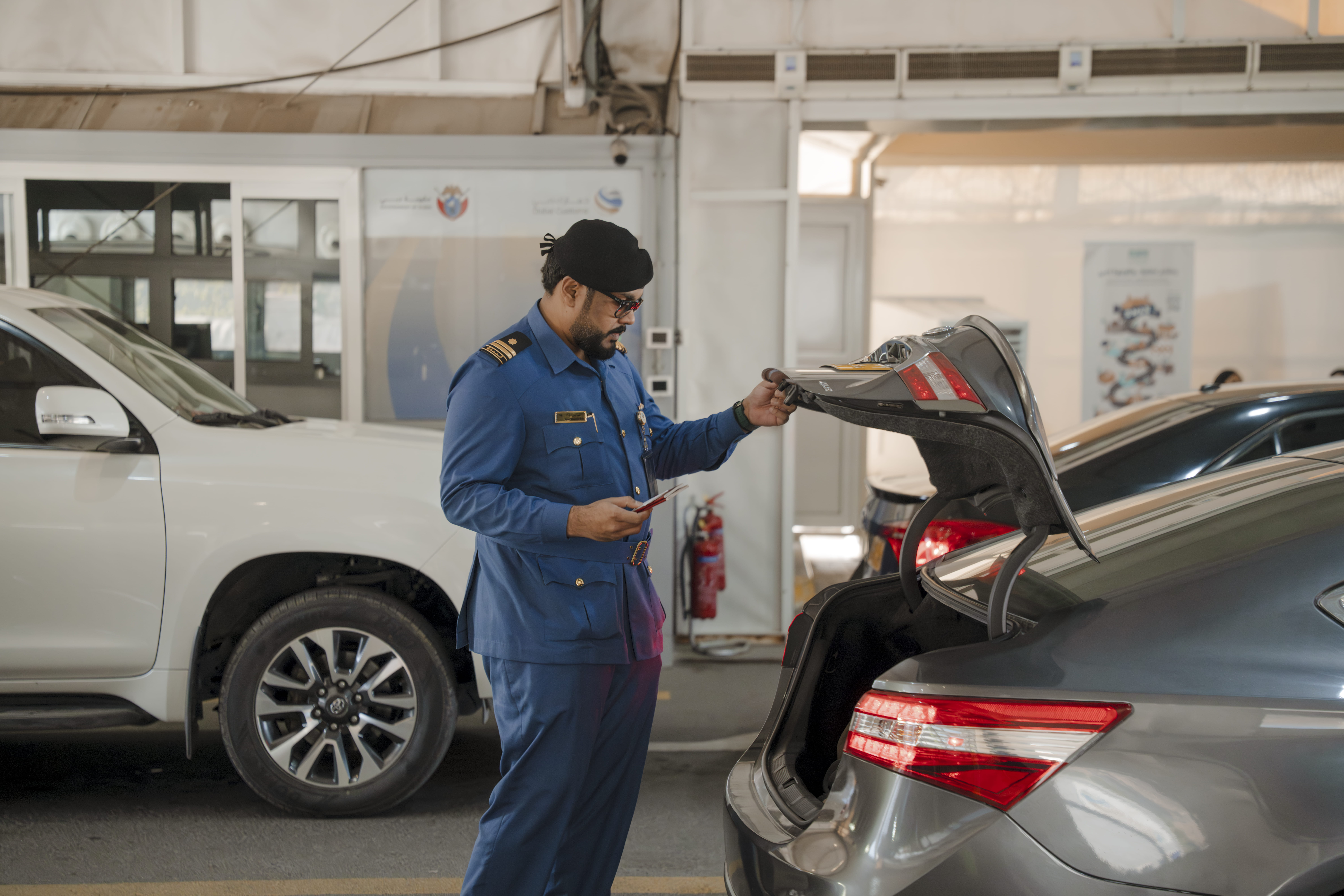
Unified customs procedures and advanced monitoring systems using customs seals enabled businesses to operate with greater flexibility while maintaining the highest standards of security and efficiency.
The initiative underscores Dubai’s ability to transform challenges into opportunities, further reinforcing its position as one of the world’s leading trade and logistics hubs capable of sustaining uninterrupted commercial activity under changing conditions.
It also highlights the emirate’s preparedness and resilience in supporting international markets and global supply chains, strengthening the competitiveness of Dubai’s economy and its strategic role in connecting world trade.
Integrated readiness and high-efficiency response
The rapid success of the Green Corridor reflects a comprehensive strategic approach built on flexibility, fast decision-making, and close coordination between government entities and the private sector.
The system relies on transporting containers and shipments in sealed trucks under full customs supervision throughout transit, ensuring both security and operational efficiency.
Advanced digital integration between Dubai Customs’ smart systems — supported by pre-arrival cargo data, manifests, bills of lading, and advanced inspection technologies — enabled customs teams to accelerate clearance and verification procedures without compromising shipment safety or procedural integrity.
Faster cargo movement through alternative ports
The facilitation measures also covered shipments to Jebel Ali Port and the Jebel Ali Free Zone via the ports of Fujairah and Khorfakkan. Containers were permitted to move directly overland to Dubai immediately upon arrival, eliminating the need to complete standard customs clearance procedures at those ports and significantly reducing processing times for companies.
In response to customer feedback and operational requirements, Dubai Customs also extended the transit period for goods from 30 days to 90 days, providing businesses with greater flexibility to reorganise logistics operations and adapt to evolving regional conditions.
Supporting business continuity
The initiative further demonstrates Dubai’s ability to respond with confidence and speed to emerging challenges, transforming exceptional circumstances into opportunities that strengthen supply chain resilience and reinforce the emirate’s role as a global trade and logistics hub connecting regional and international markets.
His Excellency Dr. Abdulla Busenad, Director General of Dubai Customs, said the Green Corridor reflects Dubai’s proactive and flexible approach to managing regional and international developments through an integrated framework that supports economic sustainability, strengthens the business community, and ensures the uninterrupted flow of trade under all circumstances. He added that the Green Corridor is a vital trade artery that reflects Dubai’s readiness, speed of response, and ability to transform challenges into opportunities that support economic growth.
Global benchmark
Dr. Busenad said that Dubai continues to enhance its government services and procedures in line with global developments and challenges, reinforcing its preparedness and position as a global model for innovation and rapid response. “In line with Dubai’s vision, Dubai Customs worked closely with relevant entities to develop an advanced operational model that enhances efficiency, safeguards trade continuity, and reinforces business confidence in our ability to support companies under all circumstances,” he said.
He added that trade resilience remains a fundamental pillar of economic growth, noting that the corridor was designed to be both secure and efficient while leveraging the expertise of strategic partners to ensure operations are executed to the highest standards of quality and efficiency.
Investor confidence and public-private collaboration
His Excellency Dr. Busenad said the Green Corridor provides a practical model for future regional integration frameworks by connecting markets and strengthening logistics resilience through alternative trade routes capable of maintaining cargo flows during emergencies affecting traditional shipping lanes.
He noted that the initiative reinforces investor confidence in Dubai’s business environment by demonstrating the ability of government entities to respond rapidly and implement effective solutions that preserve competitiveness and operational continuity.
During the regional disruptions, Dubai Customs also demonstrated a leading model of collaboration with the business community by engaging directly with companies and economic sectors, listening to operational feedback, and translating recommendations into practical solutions within a remarkably short timeframe.
Workshops enable knowledge exchange
As part of these efforts, Dubai Customs organised a series of interactive workshops that provided an open platform for dialogue and knowledge exchange among government entities, logistics partners, and business representatives. The workshops focused on operational challenges and explored innovative solutions to support trade continuity and improve supply chain efficiency.
Discussions covered the impact of global developments on shipping routes, insurance costs, port congestion, and customs readiness, while also introducing a package of initiatives developed within a short period — including the activation of the Green Corridor, enhancement of alternative routes linking Fujairah, Khorfakkan, and Dubai, extension of transit periods, and strengthened coordination with relevant entities to ensure uninterrupted cargo movement and rapid operational response.
More on these topics
Most Recent News

Mohammed bin Rashid Leadership Forum kicks off Tuesday

Al Salam Cycling Championship’s 11th edition to feature 5 races and over AED3.6 million in prize money



 For an optimal experience please