


Dubai Supreme Council of Energy’s 95th meeting reviews progress in achieving the emirate’s sustainable development goals
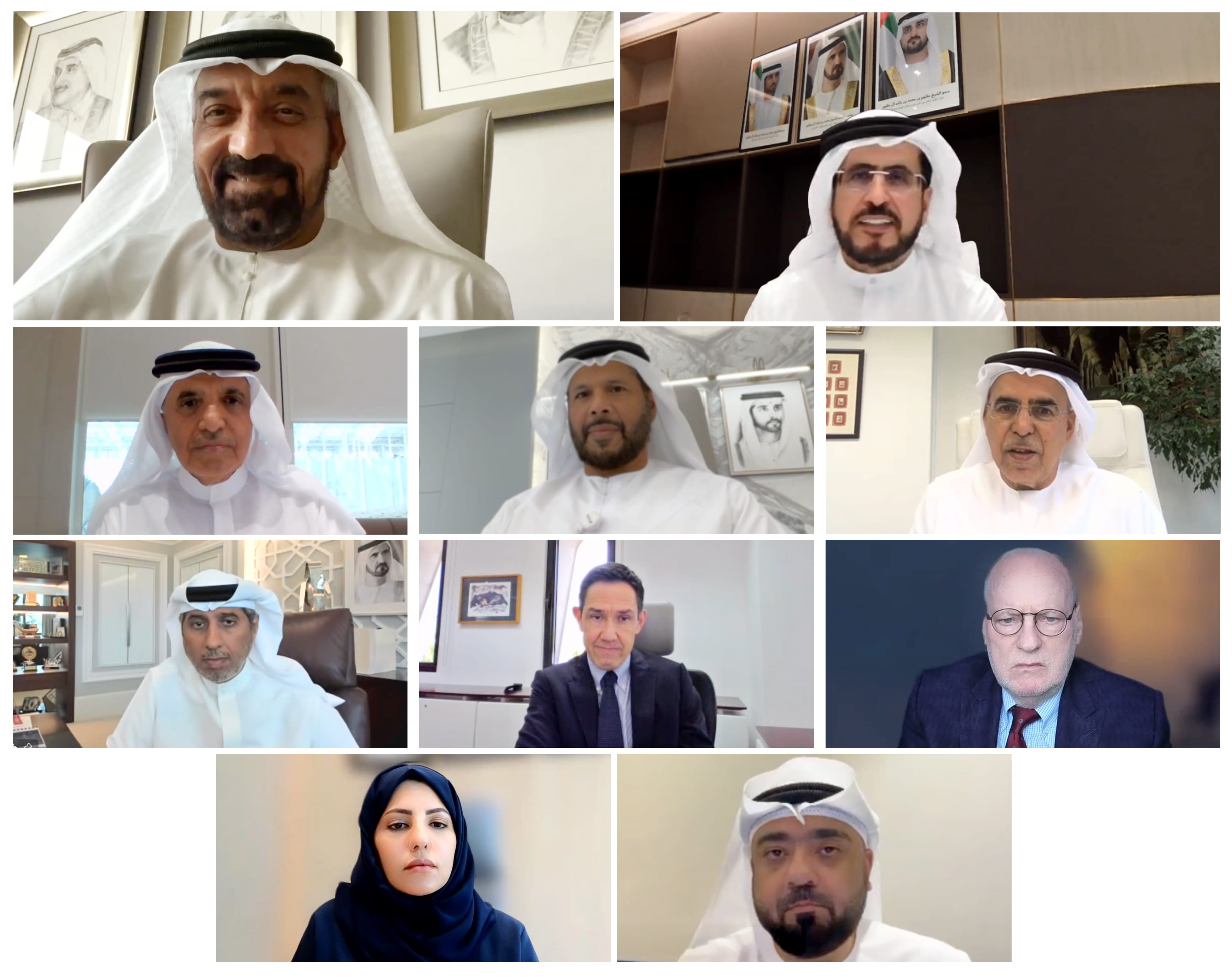
HH Sheikh Ahmed bin Saeed Al Maktoum, Chairman of the Dubai Supreme Council of Energy, chaired the council’s 95th meeting, held virtually in the presence of HE Saeed Mohammed Al Tayer, Vice Chairman of the council, where members reviewed the emirate’s progress in achieving its sustainable development goals and approved the 2025 greenhouse gas emission results.
The meeting was attended by HE Ahmed Buti Al Muhairbi, Secretary General of the council, and council members HE Marwan bin Ghalita, Director General of Dubai Municipality; HE Abdulla bin Kalban, Managing Director of Emirates Global Aluminium (EGA); HE Hussain Lootah, Chief Executive Officer of Emirates National Oil Company (ENOC); Juan-Pablo Freile, General Manager of Dubai Petroleum and Dubai Supply Authority (DUSUP); and Muna Alosaimi, Chief Executive Officer of the Strategy and Corporate Governance Sector at Dubai’s Roads and Transport Authority (RTA).
Dubai’s 2025 greenhouse gas emission results showed a continued reduction in its carbon footprint, reflecting the emirate’s progress in policies and initiatives supporting sustainability and the transition to a green economy. The decline was linked to several factors, particularly a higher share of clean energy, more effective electricity and water management, enhanced operational efficiency and the wider adoption of environmentally friendly vehicles.
The council also explored the feasibility of producing sustainable aviation fuel (SAF) from organic waste in Dubai, in line with global efforts to increase the share of SAF blended with conventional jet fuel in the coming years. This initiative would provide a cleaner option for the aviation sector while reinforcing circular economy practices in the emirate.
“These achievements translate the vision of our wise leadership and the directives of His Highness Sheikh Mohammed bin Rashid Al Maktoum, Vice President and Prime Minister of the UAE and Ruler of Dubai, to consolidate Dubai’s position as a global benchmark for sustainable development and the green economy,” said Al Tayer.
He added that the projects under the Dubai Integrated Energy Strategy 2050 and the Dubai Carbon Abatement Strategy 2030 have demonstrated the effectiveness of the emirate’s strategic direction. These initiatives have successfully attracted local and international private sector investment and supported projects in solar energy, battery storage, green hydrogen, waste-to-energy, waste recycling and green buildings.
Al Tayer said the council has provided an enabling environment that drives faster project delivery, stronger cooperation and integration between the government and the private sector, and steady progress towards Dubai’s energy and sustainability objectives.
Al Muhairbi emphasised that Dubai’s governance model, refined over the past 15 years, has played a central role in achieving outstanding results and performance indicators, supported by an integrated ecosystem of programmes and initiatives under the Dubai Demand Side Management Strategy. These efforts have contributed to tangible reductions in electricity and water consumption through a structured clear road map in place since 2012.
More on these topics
Most Recent News

Mohammed bin Rashid: UAE attracts AED 177.3bn in FDI Inflows in 2025

Under the directives of Mansour bin Zayed and the patronage of Ahmed bin Mohammed



 For an optimal experience please