

Mohammed bin Rashid bin Mohammed bin Rashid chairs first meeting of ‘Supervisory Committee of Rashid Villages’
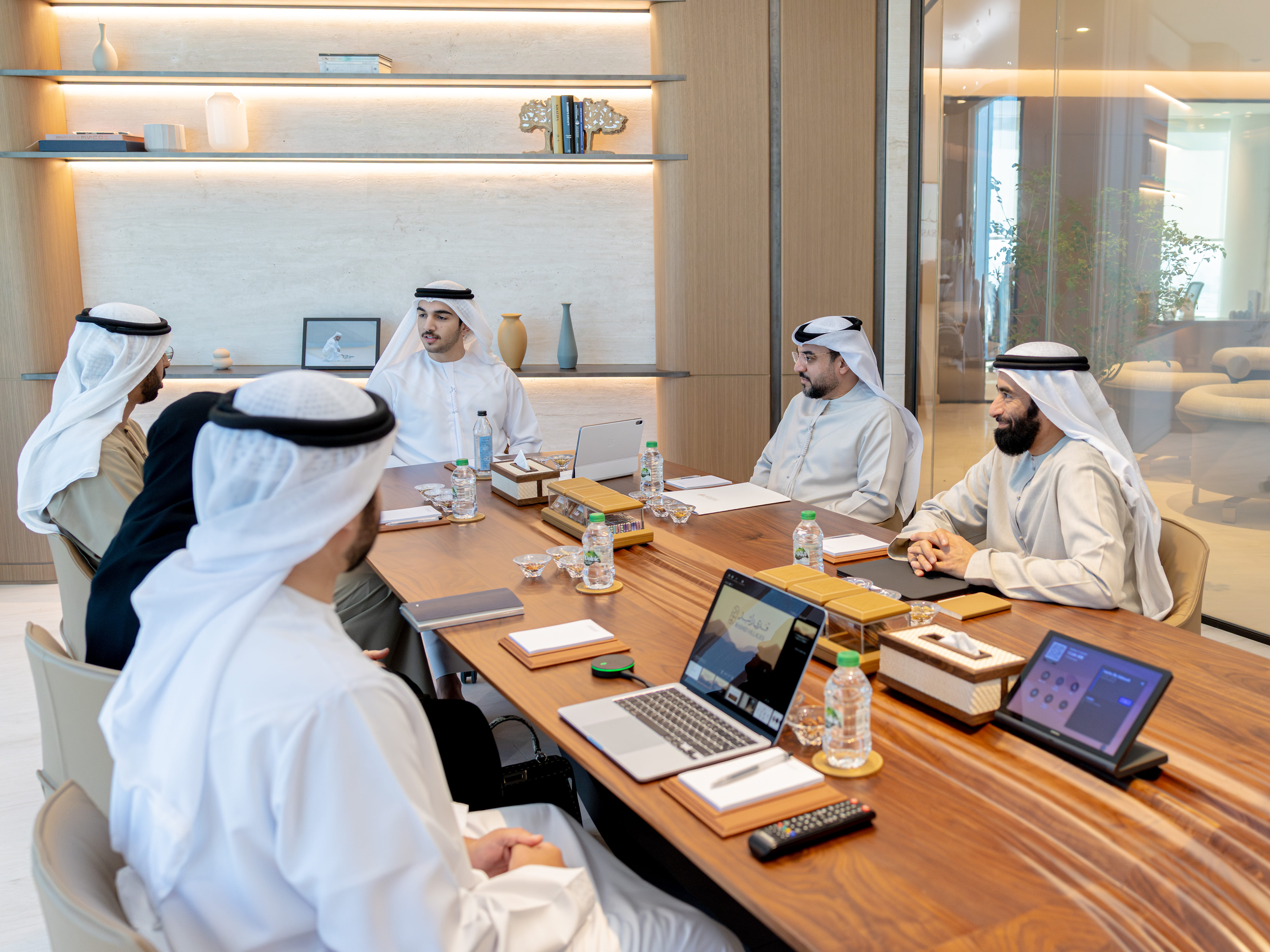
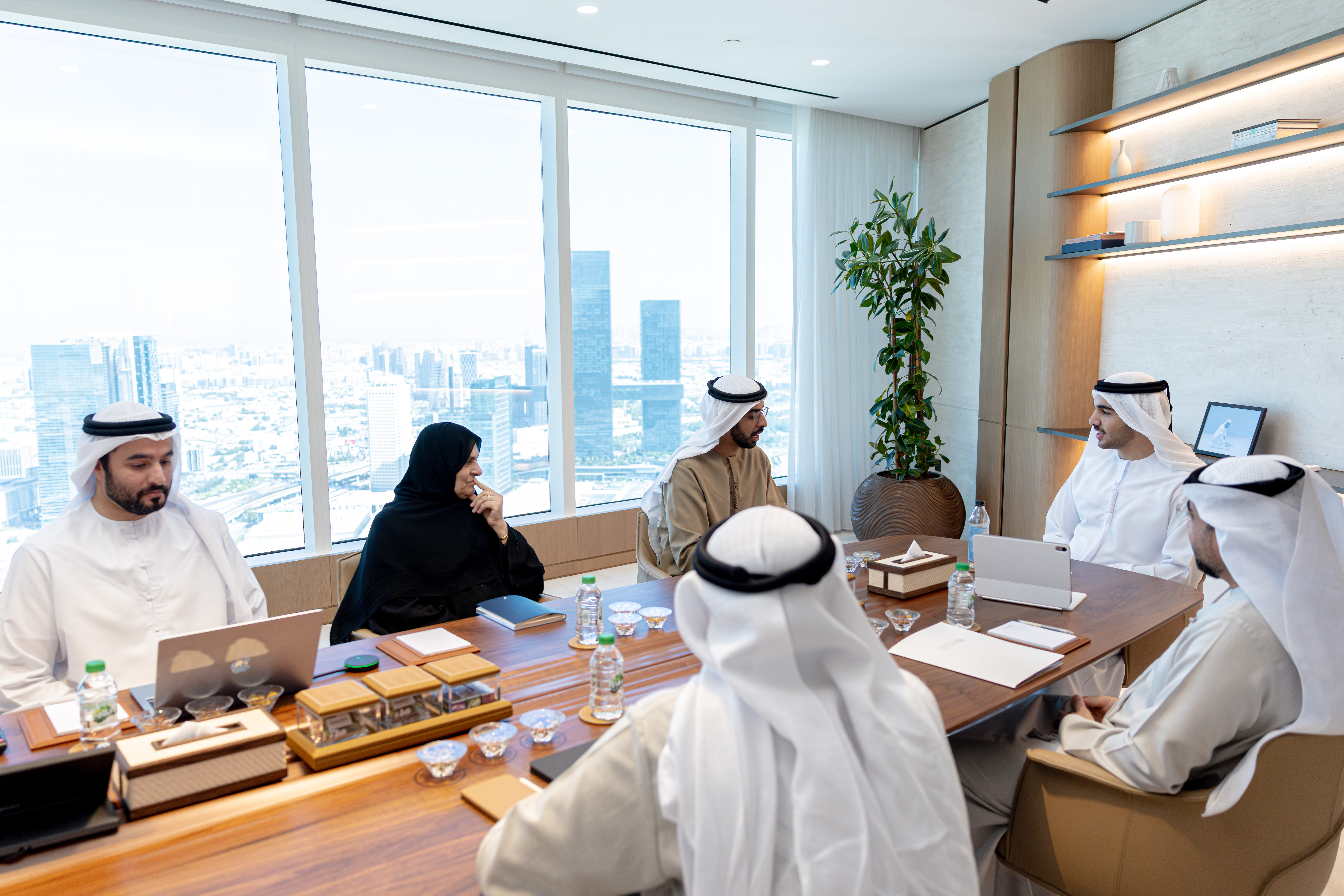
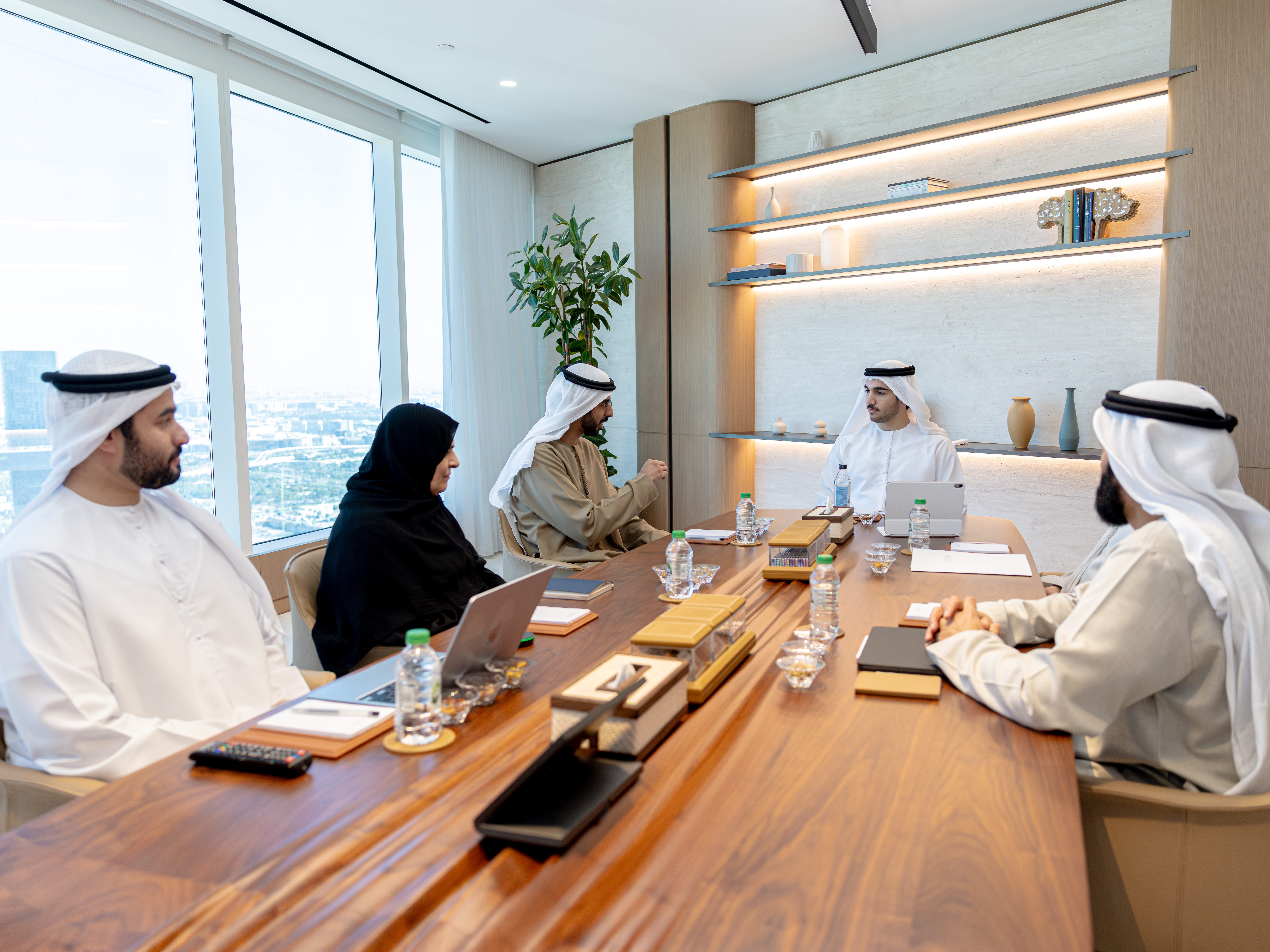
His Highness Sheikh Mohammed bin Rashid bin Mohammed bin Rashid Al Maktoum, Chairman of the Supervisory Committee of Rashid Villages, chaired the committee’s first meeting, held at Emirates Towers, in Dubai.
The meeting was attended by His Excellency Omar Sultan Al Olama, Minister of State for Artificial Intelligence, Digital Economy and Remote Work Applications, and Director General of the Office of the Crown Prince of Dubai, and Vice Chairman of the Committee; His Excellency Saeed Al Eter, CEO of the Mohammed Bin Rashid Al Maktoum Global Initiatives; His Excellency Abdullah Ali bin Zayed Al Falasi, CEO and Managing Director of Dar Al Ber Society; Her Excellency Dr Raja Easa Al Gurg, Chairperson of the Board of Directors of Al Jalila Medical Education and Research Support Foundation; and Hasher bin Dalmook, Director of the Office of His Highness Sheikh Mohammed bin Rashid bin Mohammed bin Rashid Al Maktoum, and Secretary of the Committee.
During the meeting, His Highness said that Rashid Villages represents a sustainable model of institutional humanitarian work, designed to provide an integrated environment that promotes family stability and empowerment through efficient, well governed implementation, delivering meaningful and measurable social impact in line with the initiative’s core values.
His Highness also highlighted the importance of activating Rashid Villages as a fully integrated development ecosystem that extends beyond the concept of housing. The project will provide sustainable educational, healthcare and social services designed to empower beneficiary families and strengthen their ability to build a more stable future, establishing a benchmark model in the design and delivery of impactful humanitarian initiatives.
The committee’s first meeting focused on establishing the executive foundations of the Rashid Villages project and defining priorities for the next phase, ensuring the project is launched with a clear vision and integrated governance framework aligned with its humanitarian and development objectives.
Discussions covered the committee’s mandate in overseeing the project, mechanisms for approving plans and implementation phases, and systems for regular progress monitoring. Members also reviewed ways to enhance coordination between government entities and participating institutions to ensure unified efforts and the highest levels of efficiency and effectiveness.
The committee reviewed the masterplan and approval processes, supporting the goal of providing integrated housing with sustainable educational, healthcare, and social services for eligible families.
The meeting also reviewed governance, risk management, and impact measurement frameworks to ensure the project stays aligned with its objectives and delivers sustainable social and developmental impact.
More on these topics
Most Recent News

Latifa bint Mohammed meets with leaders of World Childhood Foundation and visits Campus Manilla in Sweden

In the presence of Ahmed bin Saeed, CDA in Dubai wins four Dubai Quality Group Awards



 For an optimal experience please