

RTA Opens Hessa Street Development Project Under Comprehensive Vision to Enhance Traffic Flow
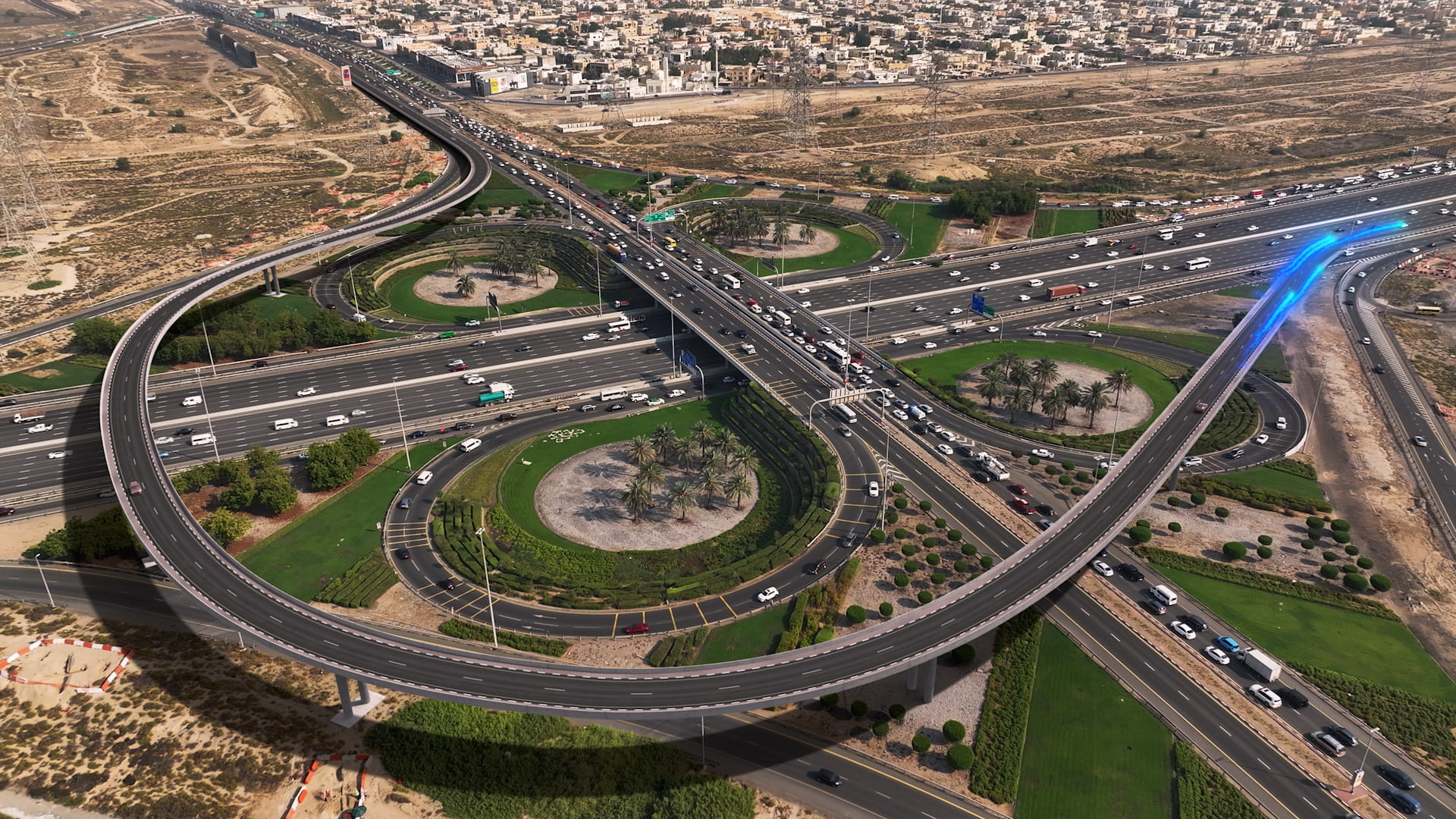
Dubai’s Roads and Transport Authority (RTA), today (Sunday), opened the full scope of works under Hessa Street Development Project in the section extending from Sheikh Zayed Road to Al Khail Road over a length of 4.5 km. The project involved widening the street, along with the bridges at Hessa Street’s intersections with Sheikh Zayed Road, Al Asayel Street, First Al Khail Street, and Al Khail Road, to four lanes in each direction. With this, RTA has completed the development of Hessa Street, including all intersection bridges. The project ensures smooth traffic flow between Sheikh Zayed Road and Al Khail Road in both directions and reduces travel time from 15 minutes to just 4 minutes.
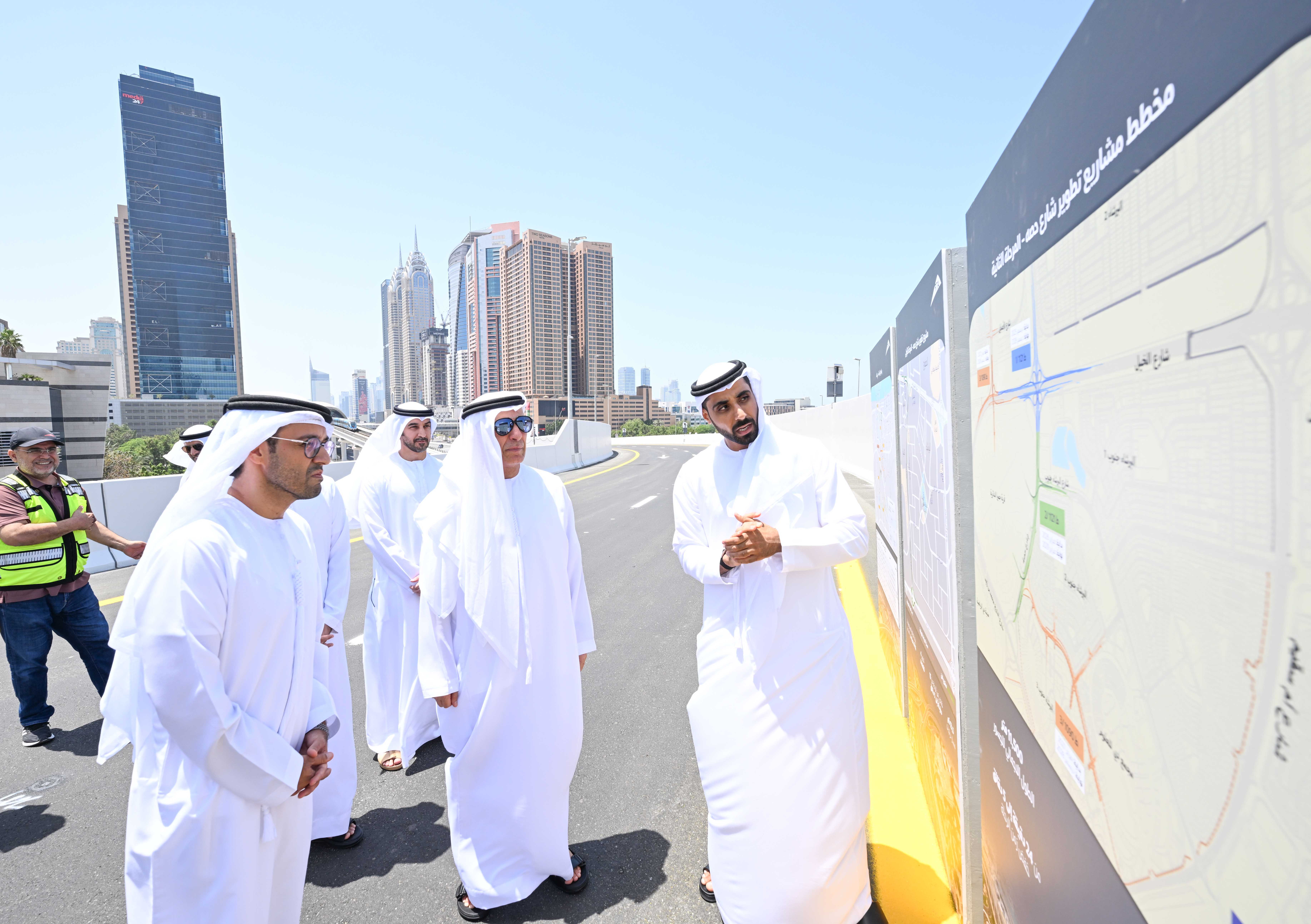
His Excellency Mattar Al Tayer, Director General, Chairman of the Board of Executive Directors of the Roads and Transport Authority (RTA), affirmed during his pre-opening inspection of final preparations for Hessa Street Development Project that it comes as part of the directives of the wise leadership to continue developing the road infrastructure network, enhance traffic flow, keep pace with Dubai’s sustained growth, and meet the demands of urban expansion and population growth. He noted that Hessa Street is one of Dubai’s most important strategic road corridors, serving several residential and development areas, including Al Sufouh 2, Al Barsha, and Jumeirah Village Circle. He added that the population of the areas served by the project is expected to exceed 640,000 by 2030, and that the project increases Hessa Street’s capacity from 8,000 vehicles per hour in both directions to 16,000 vehicles per hour in both directions, representing a 100% increase.
Capacity Increase
Al Tayer said: “Hessa Street Development Project extends from its intersection with Sheikh Zayed Road to its intersection with Al Khail Road over a stretch of 4.5 km. The project includes upgrading 4 key intersections along Hessa Street with Sheikh Zayed Road, First Al Khail Street, Al Asayel Street, and Al Khail Road, and expanding Hessa Street from 2 lanes to 4 lanes in each direction. This will increase the street’s capacity by 100%, raising it to 16,000 vehicles per hour in both directions.”
Project Details
The project covered the development of four intersections. The first was the intersection of Hessa Street with Sheikh Zayed Road, where a two-lane directional ramp was constructed above Dubai Metro’s Red Line to serve traffic turning right from Sheikh Zayed Road onto eastbound Hessa Street towards Emirates Road. The second involved developing the intersection of Hessa Street with First Al Khail Street through widening the existing Hessa Street bridge from three lanes to four lanes in each direction, in addition to traffic improvements at the signal-controlled at-grade intersection.
The project also included developing the intersection of Hessa Street with Al Asayel Street. This involves increasing the number of lanes on the existing bridge from two lanes in each direction to four lanes in each direction along Hessa Street through the construction of a new bridge parallel to the existing one, alongside traffic improvements at the signal-controlled at-grade intersection. The fourth element covered developing intersection of Hessa Street with Al Khail Road, where a direct two-lane directional ramp was constructed to serve traffic from Hessa Street onto northbound Al Khail Road towards Sharjah, together with additional bridges at the existing interchange above Al Khail Road to serve traffic moving from Hessa Street to Al Khail Road towards Deira.
Phase 2
RTA recently began works on Phase 2 of Hessa Street Development Project, extending from its intersection with Al Khail Road to its intersection with Sheikh Mohammed bin Zayed Road over a 3 km stretch. The phase includes the development of 3 key intersections through constructing 8,835 metres of bridges and a 480-metre tunnel, in addition to upgrading entry and exit points on several roads. The works will double capacity from 4,000 vehicles per hour to 8,000 vehicles per hour, reduce travel time from 24 minutes to 5 minutes, and provide direct traffic flow between Al Khail Road and Sheikh Mohammed bin Zayed Road. The project serves 10 residential and development areas and is expected to benefit around 650,000 people.
Traffic volumes on the roads covered by Phase 2 are estimated at around half a million trips per day. The development works will increase road capacity by 100%, from 4,000 vehicles per hour in each direction to 8,000 vehicles per hour in each direction, while also cutting travel time from 24 minutes to 5 minutes. The project serves 10 residential and development areas, most notably Jumeirah Village Circle, Arjan, Dubai Science Park, Al Barsha South, Jumeirah Lakes Towers, Jumeirah Islands, Barsha Heights, The Greens, and Emirates Hills, and is expected to benefit around 650,000 people.
More on these topics
Most Recent News

Latifa bint Mohammed: Establishment of ‘Dubai Orchestra Foundation’ reflects Mohammed bin Rashid’s vision and strengthens Dubai’s position as a global hub for culture and the arts

Maktoum bin Mohammed meets with Chairman of CVC Marathon



 For an optimal experience please